The Holistic Wearable: Beyond Steps and Sleep
In an increasingly data-driven world, fitness smartwatches have evolved from mere step counters into sophisticated health and wellness hubs. Today’s wearables promise not only to track your physical activity but also to provide deep insights into your physiological recovery and, surprisingly, even assist with your financial management. But with a crowded market, identifying the single best device that excels across health, recovery, and financial tracking can be a challenge. This article dissects the capabilities of leading smartwatches to help you make an informed decision.

Unpacking Health Data: More Than Just Heart Rate
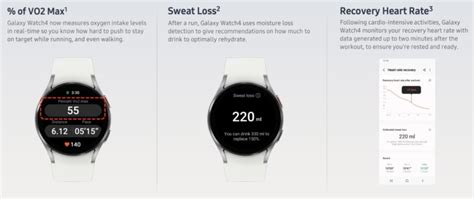
The foundation of any good fitness smartwatch lies in its ability to accurately capture and interpret health data. Modern devices go far beyond basic heart rate monitoring, offering metrics such as blood oxygen saturation (SpO2), electrocardiograms (ECG) for atrial fibrillation detection, stress levels based on heart rate variability (HRV), skin temperature, and detailed sleep stage analysis. Devices like the Apple Watch, Garmin Fenix/Forerunner series, and Samsung Galaxy Watch are leaders in this domain, providing comprehensive suites of sensors and algorithms.
For instance, Apple Watch’s ECG app and fall detection are standout safety features, while Garmin’s emphasis on tracking diverse sports activities and providing estimated VO2 Max is invaluable for athletes. Samsung’s BIA (Bioelectrical Impedance Analysis) sensor on some models offers insights into body composition, adding another layer to health monitoring.
Optimizing Recovery: The Unsung Hero of Performance
True fitness isn’t just about training hard; it’s about recovering smarter. Advanced recovery metrics are crucial for preventing overtraining, reducing injury risk, and maximizing performance gains. Key indicators include Heart Rate Variability (HRV) status, sleep quality scores, and proprietary metrics like Garmin’s Body Battery or Training Readiness. These features provide a holistic view of your body’s energy reserves and readiness for the next workout.
Whoop and Oura Ring are pioneers in dedicated recovery tracking, offering deep physiological insights, though they often lack the “smartwatch” features of their competitors. Among full smartwatches, Garmin stands out for its robust recovery analytics, integrating sleep, activity, and stress data to provide actionable advice. Apple Watch and Samsung Galaxy Watch also offer increasingly sophisticated sleep tracking and HRV data, helping users understand their recovery patterns.
The Unexpected Utility: Financial Tracking on Your Wrist
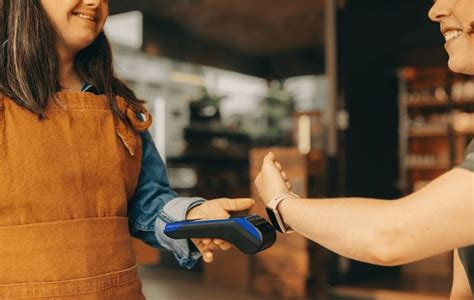
While not a primary selling point for fitness smartwatches, the integration of financial tracking capabilities adds a surprising layer of convenience. This primarily comes in two forms: contactless payment systems and integration with budgeting or banking apps. Apple Pay, Google Pay, and Garmin Pay allow users to make secure transactions directly from their wrist, eliminating the need to carry a wallet or phone.
Beyond payments, some smartwatches can display notifications from banking apps, offering quick glances at account balances or recent transactions. While no smartwatch offers full-fledged budgeting software on its own, their ability to streamline payments and provide discreet financial updates makes them surprisingly useful for day-to-day financial management. This feature is particularly strong in ecosystems like Apple and Samsung, which have deep integrations with mobile payment platforms and a vast app store.
Leading Contenders: A Closer Look
Apple Watch Series (e.g., Ultra 2, Series 9)
- Health: ECG, SpO2, skin temperature, advanced cycle tracking, fall/crash detection, comprehensive activity rings.
- Recovery: Advanced sleep stages, HRV trends, Mindfulness app.
- Financial: Apple Pay (widely accepted), extensive third-party banking/finance app notifications.
- Verdict: A powerhouse for overall health and seamless integration into the Apple ecosystem, with robust financial payment capabilities.
Garmin Forerunner/Fenix Series (e.g., Forerunner 965, Fenix 7)
- Health: Accurate GPS, advanced running dynamics, VO2 Max, pulse ox, stress tracking.
- Recovery: Industry-leading Body Battery, Training Readiness, HRV Status, suggested workouts, recovery time advisor.
- Financial: Garmin Pay (growing acceptance), limited app integration beyond notifications.
- Verdict: Unrivaled for dedicated sports tracking and recovery insights, with useful contactless payments.
Samsung Galaxy Watch Series (e.g., Galaxy Watch 6)
- Health: ECG, SpO2, BIA (body composition), sleep scores, blood pressure monitoring (in select regions).
- Recovery: Advanced sleep coaching, HRV data.
- Financial: Samsung Pay (widely accepted), Google Wallet integration, notifications from banking apps.
- Verdict: Strong competitor for Android users, offering a balanced mix of health, fitness, and robust payment options.
Making Your Choice: Prioritizing Your Needs
The “best” smartwatch ultimately depends on your individual priorities:
- For comprehensive health and seamless financial transactions within a premium ecosystem: The Apple Watch is an excellent choice, especially for iPhone users.
- For serious athletes prioritizing in-depth training metrics and recovery insights: Garmin devices, with their unparalleled sports analytics, take the lead.
- For Android users seeking a well-rounded health, fitness, and payment solution: The Samsung Galaxy Watch series offers a compelling package.
While no single device is perfect for everyone, these leaders demonstrate how far wearable technology has come, offering incredible value across health, recovery, and surprisingly, daily financial convenience.