Understanding the Visceral Fat Challenge for Men
For many men, the quest for a leaner physique isn’t just about aesthetics; it’s about health. Visceral fat, the deep abdominal fat that surrounds your organs, is particularly insidious. Unlike subcutaneous fat, visceral fat is metabolically active, releasing inflammatory compounds and increasing the risk of serious health issues like type 2 diabetes, heart disease, and certain cancers. The challenge lies in reducing this dangerous fat without sacrificing the hard-earned muscle mass that contributes to strength, metabolism, and overall vitality. This guide outlines a strategic approach to achieve both goals effectively.
The Foundation: A Smart Caloric Deficit
To lose any fat, including visceral fat, you must consume fewer calories than you burn. However, an overly aggressive caloric deficit can lead to muscle catabolism. For men aiming to preserve muscle, a moderate deficit of 250-500 calories below your maintenance level is ideal. This allows for steady fat loss (typically 1-2 pounds per week) without signaling your body to break down muscle for energy. Calculating your Total Daily Energy Expenditure (TDEE) and tracking your intake are crucial first steps.
Prioritizing Protein Intake
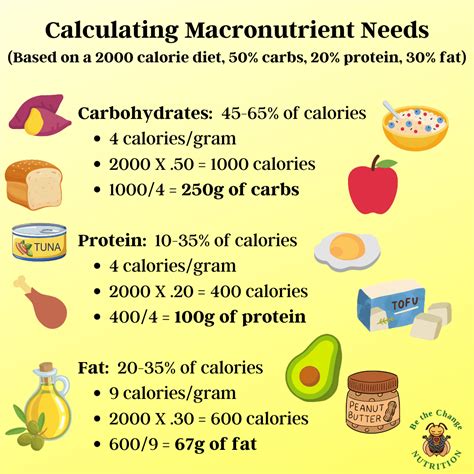
When in a caloric deficit, protein becomes your best friend. A high protein intake is essential for preserving muscle mass, increasing satiety, and boosting your metabolism due to its higher thermic effect of food (TEF). Aim for 1.6 to 2.2 grams of protein per kilogram of body weight daily. Lean sources like chicken breast, fish, lean beef, eggs, dairy, and legumes should be staples in your diet.
Strength Training is Non-Negotiable
While cardio has its place, consistent and progressive strength training is paramount for muscle preservation during a fat loss phase. Lifting weights signals to your body that your muscles are important and need to be maintained, even when calories are restricted. Focus on compound movements (squats, deadlifts, bench press, overhead press, rows) 3-4 times a week, striving to maintain your strength and intensity, even if your workout volume slightly decreases.

Strategic Cardio for Enhanced Fat Burning
Incorporating cardiovascular exercise can accelerate fat loss, particularly visceral fat. However, balance is key to avoid overtraining or excessive muscle catabolism. High-Intensity Interval Training (HIIT) can be highly effective for calorie burning and improving metabolic health in shorter durations. Low-Intensity Steady State (LISS) cardio, like brisk walking, can also be beneficial for additional calorie expenditure and recovery, without overly taxing your system. Aim for 2-3 sessions of either type per week, ideally separate from or after your strength training sessions.

Leveraging Sleep and Stress Management
Often overlooked, sleep and stress play a significant role in visceral fat accumulation and muscle retention. Chronic sleep deprivation elevates cortisol levels, a hormone linked to increased visceral fat storage and muscle breakdown. Similarly, prolonged stress can lead to higher cortisol and poorer dietary choices. Prioritize 7-9 hours of quality sleep per night and incorporate stress-reducing practices like meditation, deep breathing, or hobbies into your daily routine.

Hydration and Micronutrient Support
Don’t underestimate the power of proper hydration. Drinking plenty of water supports metabolism, helps with satiety, and aids in nutrient transport. A diet rich in whole foods – fruits, vegetables, and whole grains – ensures you’re getting essential vitamins and minerals, which are crucial for overall health and optimal bodily functions during a caloric deficit. These foods also provide fiber, which can help manage hunger and promote digestive health.

The Long Game: Consistency and Patience
Cutting visceral fat while maintaining muscle is not an overnight process. It requires consistent effort, patience, and adherence to your plan. Track your progress not just by the scale, but also through body measurements, progress photos, and how your clothes fit. Adjust your caloric intake and training as your body adapts. Remember, sustainability is key to long-term success and maintaining a healthier, leaner physique.
Conclusion: A Holistic Approach for a Leaner You
Effectively cutting visceral fat and maintaining muscle mass for men is a multifaceted endeavor. It integrates a carefully planned nutritional strategy focused on a moderate caloric deficit and high protein intake with a robust strength training program. Complementing these pillars with strategic cardio, adequate sleep, and effective stress management creates a powerful, holistic approach. By committing to these principles, men can not only reduce dangerous visceral fat but also sculpt a stronger, healthier body that looks and feels great.