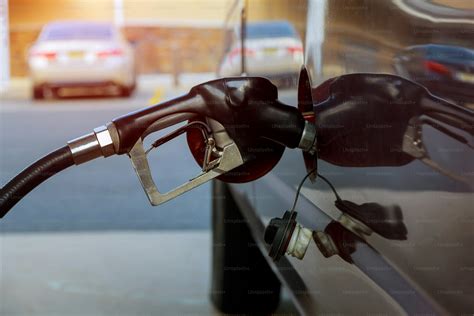
Unlock Savings: Simple Car Maintenance for Optimal Fuel Efficiency
In an era of fluctuating fuel prices, every driver seeks ways to stretch their dollar further at the pump. The good news is that optimizing your vehicle’s fuel efficiency doesn’t require complex modifications or expensive upgrades. Instead, a handful of simple, consistent car maintenance practices can significantly reduce your monthly fuel bill and contribute to the longevity of your vehicle.
By understanding and implementing these straightforward tips, you’ll not only save money but also enjoy a smoother, more reliable driving experience. Let’s delve into the essential maintenance tasks that yield the biggest returns in fuel economy.
1. Maintain Proper Tire Pressure
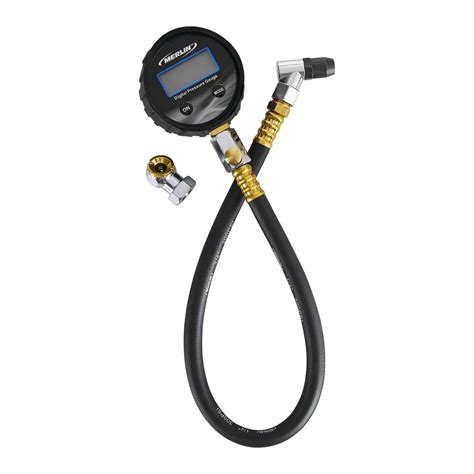
This is arguably the easiest and most impactful maintenance tip for fuel efficiency. Under-inflated tires increase rolling resistance, forcing your engine to work harder and consume more fuel. Check your tire pressure at least once a month (and before long trips) using a reliable gauge. Refer to your car’s owner’s manual or the sticker inside the driver’s side door jamb for the recommended PSI (pounds per square inch), not the maximum pressure listed on the tire itself.
Keeping your tires correctly inflated can improve your gas mileage by up to 3%. It also extends tire life and enhances handling and safety.
2. Replace Clogged Air Filters
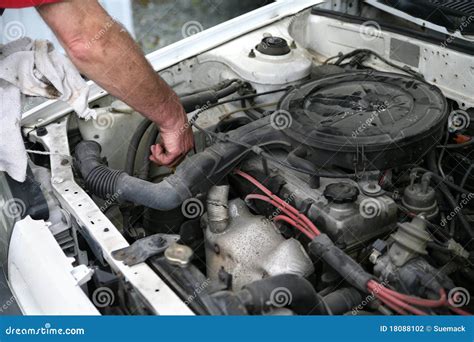
Your engine needs a clean supply of air to burn fuel efficiently. A dirty or clogged air filter restricts airflow to the engine, making it work harder to draw in air. This can lead to decreased acceleration and, crucially, reduced fuel economy. Replacing a dirty air filter is a simple task that can be done yourself or by a mechanic during a routine oil change.
A clean air filter ensures your engine breathes freely, promoting optimal combustion and fuel usage. This small replacement can lead to noticeable improvements in your vehicle’s performance and efficiency.
3. Service Spark Plugs
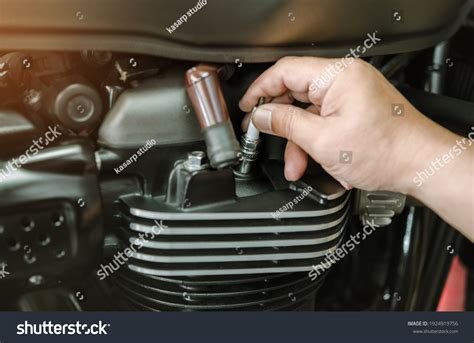
Spark plugs are vital components in your engine’s ignition system, responsible for igniting the air-fuel mixture. Worn-out or fouled spark plugs can lead to misfires, incomplete combustion, and a significant drop in fuel efficiency. While modern spark plugs are designed for long life, they eventually need replacement.
Following your manufacturer’s recommended service intervals for spark plug replacement will ensure your engine is firing on all cylinders, maintaining peak performance and optimal fuel economy. This maintenance item directly impacts how effectively your engine converts fuel into power.
4. Use the Correct Engine Oil and Change It Regularly
The type and condition of your engine oil play a surprisingly significant role in fuel efficiency. Using the manufacturer-recommended viscosity grade of oil (e.g., 5W-30) reduces friction within the engine. When friction is minimized, the engine doesn’t have to expend as much energy overcoming internal resistance, thus saving fuel.
Regular oil changes, along with filter replacements, ensure the oil remains clean and effective. Dirty or degraded oil increases friction and makes your engine work harder. Consult your owner’s manual for the appropriate oil type and recommended change intervals.
5. Keep Your Wheels Aligned and Balanced
Proper wheel alignment and balancing are not just for smooth driving; they also impact fuel consumption. Misaligned wheels drag instead of roll freely, increasing rolling resistance and making your engine work harder. Similarly, unbalanced wheels can cause vibrations and uneven tire wear, indirectly affecting efficiency.
An annual alignment check or whenever you notice uneven tire wear or your vehicle pulling to one side can prevent these issues. This ensures your tires are making optimal contact with the road, minimizing drag and improving fuel economy.

6. Inspect and Replace Oxygen Sensors
Oxygen sensors monitor the amount of oxygen in your exhaust gases and send this data to your car’s computer, which then adjusts the air-fuel mixture. A faulty oxygen sensor can cause your engine to burn too much fuel, as the computer receives incorrect information and enriches the mixture unnecessarily.
A failing oxygen sensor can reduce fuel efficiency by as much as 10-15%. While they don’t always trigger a “Check Engine” light immediately, having them checked during routine maintenance is a smart move for maintaining optimal fuel economy.

Conclusion: Drive Smarter, Save More
Implementing these simple car maintenance tips is a proactive step towards optimizing your vehicle’s fuel efficiency and significantly reducing your monthly fuel expenses. From ensuring proper tire pressure to keeping your engine’s vital components clean and functioning, each task contributes to a more efficient and economical drive. Beyond saving money, these practices also enhance your vehicle’s reliability and extend its lifespan.
Make these maintenance checks a regular part of your car care routine, and you’ll quickly see the benefits not only in your wallet but also in a more enjoyable and environmentally friendly driving experience.