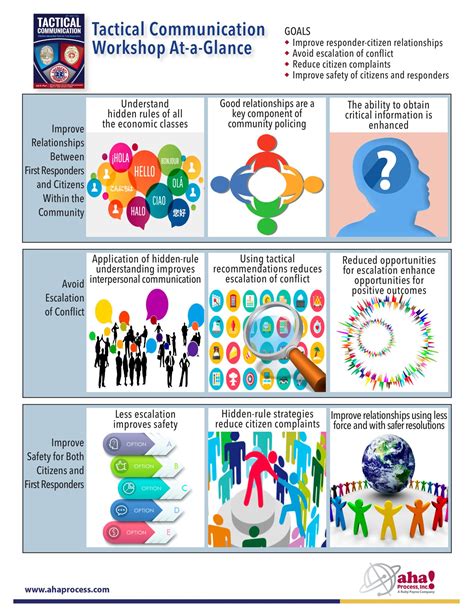
Bridging the Communication Gap: Tactical Shifts for Stronger Bonds
Misunderstandings are an inevitable part of any relationship, but they don’t have to lead to constant arguments. Often, the root cause isn’t a lack of love or care, but rather a breakdown in communication. By consciously implementing tactical shifts in how we express ourselves and listen to our partners, we can transform potential conflicts into opportunities for deeper connection and mutual understanding.
The Power of Active and Empathetic Listening
One of the most profound shifts is moving from passive listening (or listening merely to respond) to active and empathetic listening. Active listening means truly focusing on what your partner is saying, both verbally and non-verbally, without interrupting or formulating your rebuttal. Empathy takes this a step further, encouraging you to try and understand their perspective and feelings, even if you don’t agree with them.
This involves techniques like reflective listening, where you paraphrase what your partner has said to confirm understanding (“So, what I hear you saying is…”), and asking clarifying questions rather than making assumptions. When your partner feels genuinely heard and understood, their defenses lower, making constructive dialogue far more likely.

Shifting from Blame to Self-Expression: The “I” Statement
A common pitfall in arguments is the use of accusatory “you” statements, such as “You always leave your clothes on the floor!” or “You never help with the dishes!” These statements immediately put your partner on the defensive, triggering an argument rather than a resolution.
A tactical shift involves using “I” statements, which focus on your feelings and needs without assigning blame. For example, instead of “You never help,” try, “I feel overwhelmed when I see the dishes piled up, and I would appreciate it if we could tackle them together.” This approach communicates your emotional experience and desire for change in a way that invites collaboration rather than confrontation.
Timing and Environment: Setting the Stage for Success
The success of a difficult conversation often hinges on when and where it takes place. Trying to discuss sensitive topics when one or both partners are stressed, tired, or in a public setting is a recipe for disaster. A crucial tactical shift is to consciously choose the right time and environment.
Suggesting a conversation when both partners are calm, rested, and in a private, comfortable space can make a significant difference. “Could we talk about X later tonight when we’re both relaxed?” demonstrates respect for the conversation and for your partner’s state of mind, preparing both of you for a more productive exchange.

Clarity, Conciseness, and Non-Verbal Cues
It’s easy to get lost in tangents or be vague when discussing sensitive issues. Tactical communication demands clarity and conciseness. State your point directly, articulate your feelings clearly, and be specific about what you need or what the issue is. Avoid beating around the bush or expecting your partner to read your mind.
Furthermore, pay attention to non-verbal cues – both your own and your partner’s. Maintain eye contact, adopt an open posture, and be mindful of your tone of voice. A calm, respectful tone can de-escalate tension, while an aggressive tone, even with well-chosen words, can ignite conflict. Being aware of these silent signals can help you adapt your communication in real-time.
The Art of Repair: Post-Conflict Communication
Even with the best communication tactics, arguments can still happen. A vital, often overlooked, tactical shift is how you handle the aftermath. The ability to repair after a conflict is just as important as preventing one. This involves offering sincere apologies, even if you only apologize for your part in the escalation or for how your words made your partner feel.
It also means checking in after the argument has subsided, reaffirming your commitment to the relationship, and discussing what could be done differently next time. This post-conflict analysis, done without judgment, reinforces mutual learning and strengthens the relationship’s resilience.

Conclusion: Practice Makes Progress
Implementing these tactical communication shifts won’t happen overnight. It requires conscious effort, practice, and patience from both partners. However, by actively listening, using “I” statements, choosing optimal timing, striving for clarity, and focusing on repair, couples can build a communication framework that fosters profound understanding, reduces unnecessary arguments, and ultimately, strengthens their bond for years to come.