Understanding Common Knee Injuries in Male Runners
Knee pain is an all-too-familiar foe for many male runners. Common culprits include patellofemoral pain syndrome (often dubbed ‘runner’s knee’), IT band syndrome, and meniscal tears. While many factors contribute to these injuries, including training errors, biomechanics, and muscular imbalances, the role of proper footwear cannot be overstated. Running shoes are a runner’s primary interface with the ground, and their design can significantly influence impact forces and joint mechanics.
The goal isn’t to find a ‘miracle shoe’ that prevents all injuries, but rather to select footwear that complements your unique biomechanics, offering the right balance of support, cushioning, and flexibility to reduce stress on the knee joint. For male runners, who often have different anatomical considerations than female runners (e.g., wider shoulders, narrower hips on average, leading to different gait patterns), tailored shoe choices are particularly important.
The Role of Cushioning Technologies
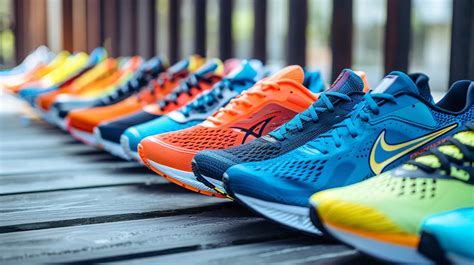
Modern running shoes boast an array of cushioning technologies designed to absorb impact and provide a softer landing. The theory is that reducing impact forces lessens the stress on joints, including the knees. Brands employ proprietary materials and designs:
- EVA Foam Blends: Traditional yet continually refined, EVA (Ethylene-vinyl acetate) is lightweight and offers good shock absorption. Modern iterations combine different densities for varied responsiveness and durability.
- Advanced Foams (e.g., Boost, Fresh Foam, ZoomX): These superfoams offer superior energy return and cushioning without excessive weight. They are often lauded for their ‘bouncy’ feel and ability to maintain performance over long distances, potentially reducing fatigue that can lead to altered mechanics and injury.
- Gel/Air Pods: Strategically placed gel or air units (e.g., ASICS GEL, Nike Air) provide targeted cushioning in high-impact areas like the heel and forefoot, enhancing shock absorption.
While increased cushioning might seem universally beneficial, finding the right level is key. Too much cushioning can sometimes reduce ground feel, potentially altering proprioception and stability for some runners. The best cushioning level often depends on your body weight, running style, and personal preference.
Stability and Motion Control Features
One of the most critical aspects of shoe technology for knee injury prevention, especially for runners who overpronate, is stability. Pronation is the natural inward rolling motion of the foot after landing. While a healthy amount is normal, excessive or prolonged pronation can lead to internal rotation of the tibia and femur, putting undue stress on the knee joint and contributing to conditions like runner’s knee or IT band syndrome.
For Overpronators:
- Stability Shoes: These shoes incorporate features like medial posts (denser foam on the arch side of the midsole) or GuideRails (Brooks) to gently guide the foot and ankle, preventing excessive inward roll. They offer a balance of cushioning and support.
- Motion Control Shoes: Designed for severe overpronators or heavier runners, these shoes offer maximum support and rigidity to significantly limit pronation. They are typically heavier and less flexible but can be essential for those who need substantial biomechanical correction.
Technologies like Brooks’ GuideRails work by providing support only when needed, guiding the foot back into its natural motion path without overcorrecting. This ‘holistic support system’ is designed to keep excessive movement in check, thereby reducing stress on the knees and hips.

The Importance of Fit and Gait Analysis
No matter how advanced the shoe technology, an improper fit can negate all benefits and potentially introduce new problems. A professional gait analysis at a specialized running store is invaluable. Experts can observe your running mechanics, assess your foot strike, and determine your pronation level. This analysis helps identify whether you are a neutral runner, an overpronator, or an underpronator (supinator), guiding you toward the appropriate shoe type.
Beyond pronation, other fit considerations include:
- Toe Box: Sufficient room for toes to splay naturally.
- Heel Counter: Secure fit without rubbing.
- Midfoot Lock: Snug but not restrictive.
Remember that shoe size can change over time, and different brands may fit differently. Always try on shoes and, if possible, run a short distance in them before purchasing.

Beyond the Shoe: A Holistic Approach
While running shoe technology plays a significant role in knee injury prevention, it’s crucial to remember that shoes are just one piece of the puzzle. A holistic approach includes:
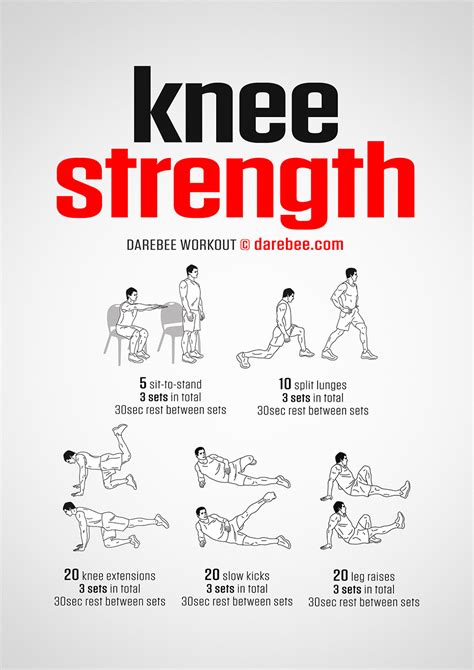
- Strength Training: Strengthening glutes, hamstrings, and core muscles can improve running form and stability, directly supporting knee health.
- Flexibility and Mobility: Regular stretching and foam rolling can alleviate tightness in key muscle groups (e.g., hip flexors, IT band, calves) that can contribute to knee pain.
- Gradual Training Progression: Avoid increasing mileage or intensity too quickly. The ‘10% rule’ (not increasing weekly mileage by more than 10%) is a good guideline.
- Proper Warm-up and Cool-down: Preparing your body for a run and aiding recovery afterward are vital.
- Listen to Your Body: Don’t run through pain. Rest and seek professional advice if discomfort persists.
Conclusion
For male runners aiming to prevent common knee injuries, the ‘best’ running shoe technology isn’t a single feature but rather the optimal combination of cushioning and stability tailored to individual needs. Advanced cushioning systems reduce impact, while stability and motion control features manage pronation, both directly impacting knee stress. However, these technologies are most effective when selected based on professional gait analysis and integrated into a broader injury prevention strategy that includes strength, flexibility, and smart training practices. Investing time in finding the right shoe, alongside a commitment to overall physical well-being, is the surest path to happy, healthy knees on your running journey.