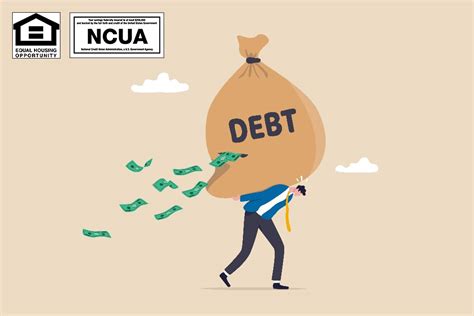
Tackling high-interest debt and building an emergency fund simultaneously can feel like an impossible tightrope walk. One demands aggressive repayment, while the other requires consistent saving. However, these two financial goals are not mutually exclusive; in fact, a strategic approach can help you conquer both more quickly than you might think.
Understanding the Dual Challenge
High-interest debt, like credit card balances or personal loans, can drain your finances with exorbitant interest payments, making it hard to get ahead. An emergency fund, typically 3-6 months of living expenses, acts as a critical safety net, preventing new debt when unexpected life events occur. The key is to find a system that addresses both with urgency and effectiveness.

The Debt Avalanche vs. Snowball for Speed
When it comes to debt repayment, two popular methods are the debt avalanche and the debt snowball. For crushing high-interest debt quickly, the debt avalanche method is mathematically superior. This strategy involves listing all your debts from highest interest rate to lowest. You make minimum payments on all debts except the one with the highest interest rate, on which you pay as much extra as possible. Once that debt is paid off, you roll that payment amount into the next highest interest rate debt. This method saves you the most money on interest and clears debt fastest.
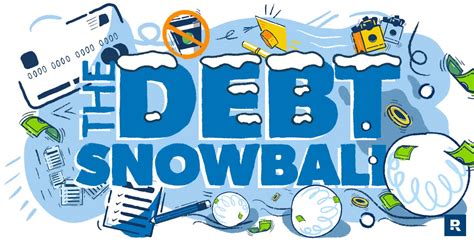
While the debt snowball (paying smallest balance first) offers psychological wins, the avalanche method is undeniably the fastest way to reduce the total cost and duration of high-interest debt.
Aggressive Debt Crushing Strategies
To accelerate your debt repayment, you’ll need to free up cash. Start by creating a detailed budget to identify where your money is going. Look for non-essential expenses that can be cut temporarily or permanently. Consider:
- Cutting Subscriptions: Review all your monthly subscriptions and cancel those you don’t use regularly.
- Reducing Dining Out: Cook at home more frequently to save significant amounts.
- Selling Unused Items: Declutter your home and sell items you no longer need on online marketplaces.
- Boosting Income: Explore side hustles, freelance work, or negotiate a raise to bring in extra money dedicated solely to debt repayment.
Every extra dollar applied to your highest-interest debt chips away at the principal faster, reducing the overall interest you pay.

Strategically Building Your Emergency Fund
While the debt avalanche is underway, it’s crucial not to neglect your emergency fund entirely. A hybrid approach often works best:
- Build a Mini-Emergency Fund: Before going full throttle on debt, save a small emergency fund of $1,000-$2,000. This acts as a buffer against minor emergencies (car repairs, medical co-pays) that could otherwise force you to incur new debt.
- Automate Savings: Once your mini-fund is established, set up an automatic transfer from your checking to a separate savings account (preferably high-yield) each payday. Even a small, consistent amount adds up over time.
After your high-interest debts are eliminated, you can then redirect the significant funds previously used for debt payments directly into rapidly building up your full 3-6 month emergency fund.

The Hybrid Approach: Debt First, Then Fund
The most accelerated path for many is a phased approach:
- Phase 1: Secure a Mini-Emergency Fund: Focus solely on saving $1,000-$2,000 as quickly as possible. This typically takes 1-3 months with aggressive saving.
- Phase 2: Attack High-Interest Debt: With your mini-fund secured, funnel every extra penny using the debt avalanche method until all high-interest debt is gone.
- Phase 3: Fully Fund Your Emergency Account: Once debt-free (apart from a mortgage or student loans, perhaps), redirect all the money you were paying towards debt into building your full 3-month (or more) emergency fund. This phase will feel incredibly fast because you have so much disposable income freed up.
This method leverages the mathematical efficiency of debt repayment while safeguarding against new debt during the process.
Maintaining Momentum and Preventing Recurrence
Once your debt is crushed and your emergency fund is fully built, the work isn’t over. It’s about maintaining healthy financial habits. Regularly review your budget, continue to live below your means, and make conscious spending choices. Celebrate your milestones, but stay vigilant against old habits that could lead to new debt. Your journey to financial stability is a marathon, not a sprint, but these strategies provide the fastest track to a secure starting line.
Conclusion
Crushing high-interest debt and building a substantial emergency fund rapidly is an achievable goal with discipline and the right strategy. By prioritizing a small initial emergency buffer, aggressively tackling high-interest debt using the avalanche method, and then channeling those freed-up funds to build your full emergency reserve, you can transform your financial landscape quickly. This methodical approach not only saves you money but also builds a strong foundation for lasting financial peace.