The Hidden Costs of Neglect
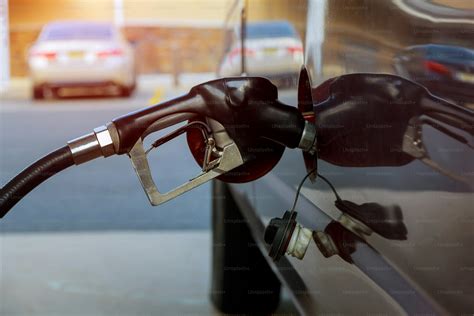
In an era of fluctuating gas prices, every driver looks for ways to stretch their dollar at the pump. While common advice often points to driving habits – gentle acceleration, avoiding speeding – many overlook the significant impact of routine car maintenance on fuel economy. Neglecting certain aspects of your vehicle’s upkeep doesn’t just reduce its lifespan; it actively drains your wallet through inefficient fuel consumption. The good news is, many of these ‘overlooked’ tasks are simple and relatively inexpensive, offering a high return on investment in the form of improved miles per gallon (MPG).

The Pressure is On: Correct Tire Inflation
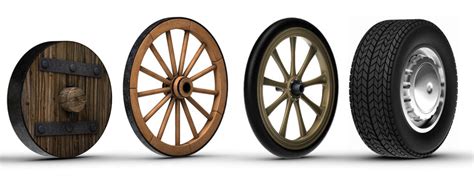
Perhaps the most frequently cited, yet still most frequently ignored, maintenance item is tire pressure. Under-inflated tires create more rolling resistance, forcing your engine to work harder to maintain speed. This extra effort directly translates to increased fuel consumption. Checking your tire pressure once a month, including your spare, against the manufacturer’s recommended PSI (found on a sticker in your door jamb or owner’s manual) is one of the easiest and most effective ways to boost your MPG. Properly inflated tires can improve fuel efficiency by up to 3%.
Breathe Easy: Air Filter Replacement
Your engine needs a constant supply of clean air to burn fuel efficiently. A clogged, dirty air filter restricts airflow, forcing the engine to consume more fuel to compensate for the lack of oxygen. While modern fuel-injected cars are less susceptible to drastic MPG drops from a dirty filter than older carbureted models, a severely restricted filter can still reduce your fuel economy. Replacing your engine’s air filter every 15,000 to 30,000 miles (or as recommended by your manufacturer, and more often in dusty conditions) ensures your engine can breathe freely and perform optimally.
Ignite Efficiency: Spark Plug Health
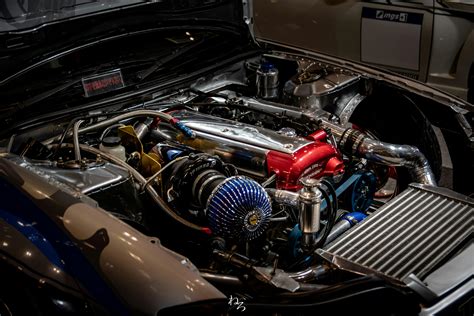
Spark plugs are crucial for igniting the air-fuel mixture in your engine’s cylinders. Worn-out or fouled spark plugs lead to misfires, incomplete combustion, and ultimately, wasted fuel. Your engine has to work harder to generate power, leading to a noticeable drop in MPG. Replacing spark plugs at the manufacturer-recommended intervals (which can range from 30,000 to 100,000 miles, depending on the type) ensures a strong, consistent spark for optimal combustion efficiency.
Smart Sensors: The Crucial Oxygen Sensor
Modern vehicles rely heavily on sensors to optimize engine performance and fuel efficiency. The oxygen (O2) sensor measures the amount of unburned oxygen in the exhaust, sending this data to the engine’s computer. The computer then adjusts the air-fuel mixture for peak efficiency and reduced emissions. A faulty O2 sensor can send incorrect readings, causing your engine to run too rich (too much fuel) or too lean (too little fuel), both of which waste gas. A failing O2 sensor can decrease MPG by as much as 40%. Though they don’t have a fixed replacement schedule, consider having them checked if your ‘check engine’ light comes on or if you notice a significant drop in fuel economy.
Clean Fuel, Clear Savings: Fuel System Maintenance
Just like your engine needs clean air, it needs clean fuel. The fuel filter prevents dirt and debris from reaching your engine’s fuel injectors and combustion chambers. A clogged fuel filter restricts fuel flow, forcing your fuel pump to work harder and potentially starving the engine for fuel under acceleration, leading to poor performance and reduced MPG. Additionally, services like fuel injector cleaning can prevent carbon buildup that impedes precise fuel delivery. Regular fuel filter replacement (often every 30,000 miles, but check your manual) and occasional fuel system cleaner additives can keep your fuel system pristine.

Smooth Operator: The Power of Fresh Oil
While often associated with engine longevity, regular oil changes also play a role in fuel efficiency. Dirty, old oil creates more friction within the engine’s moving parts, requiring more energy to operate. Fresh, clean oil (and using the correct viscosity recommended by your manufacturer) reduces friction, allowing the engine to run smoother and more efficiently, thereby improving MPG. Sticking to your vehicle’s recommended oil change schedule is a simple way to maintain both engine health and fuel economy.
Straight and True: Wheel Alignment Benefits
Misaligned wheels aren’t just bad for tire wear; they’re also detrimental to your MPG. When your wheels aren’t perfectly aligned, the tires drag instead of rolling freely. This constant drag creates extra resistance, forcing your engine to use more fuel to overcome it. If you notice uneven tire wear, your steering wheel isn’t centered, or your car pulls to one side, it’s time for a wheel alignment. A proper alignment ensures your tires track straight, reducing rolling resistance and preserving your fuel efficiency.
Drive Smarter, Save More
Cutting your gas bill doesn’t always mean changing your driving habits drastically. Often, the biggest savings come from simply ensuring your vehicle is running as efficiently as its designers intended. By paying attention to these overlooked maintenance items – correct tire pressure, clean air and fuel filters, healthy spark plugs and O2 sensors, fresh oil, and proper wheel alignment – you can unlock significant improvements in your car’s MPG. These small investments in maintenance not only save you money at the pump but also extend the life and reliability of your vehicle, making them a win-win for any car owner.