
The Challenge: Why Belly Fat Sticks Around After 30
As men cross the threshold into their 30s, many find that shedding weight, especially around the midsection, becomes increasingly challenging. This isn’t just about slowing down; it’s often a complex interplay of metabolic shifts, hormonal changes, and lifestyle factors that make stubborn belly fat a persistent foe. Understanding these underlying mechanisms is the first step towards reclaiming a leaner physique and a more energized metabolism.
Metabolism, the process by which your body converts food and drinks into energy, naturally begins to slow with age. Compounding this, a decrease in testosterone, an increase in cortisol (the stress hormone), and changes in insulin sensitivity can all contribute to fat accumulation around the abdomen. But the good news is, you’re not powerless against these changes. Strategic adjustments to your diet, exercise routine, and daily habits can significantly boost your metabolic rate and specifically target that resistant belly fat.

Dietary Power-Ups to Fuel Your Metabolism
What you eat plays a crucial role in determining your metabolic rate and fat-burning potential. For men over 30, focusing on nutrient-dense foods that support muscle mass and regulate blood sugar is paramount.
Prioritize Protein
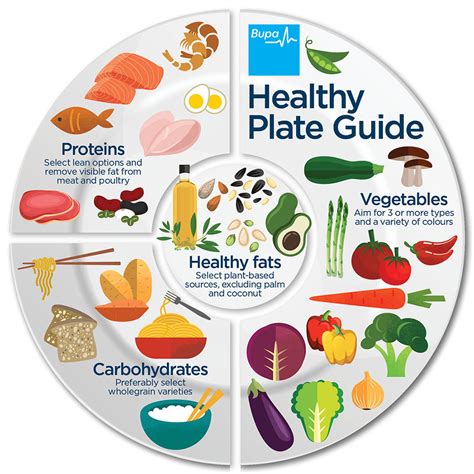
Protein has a higher thermic effect of food (TEF) than carbs or fats, meaning your body burns more calories digesting it. Aim for a generous intake of lean protein sources like chicken, fish, lean beef, eggs, and legumes at every meal. This not only boosts metabolism but also helps preserve muscle mass, which is key for a healthy metabolic rate.
Embrace Fiber and Complex Carbohydrates
Foods rich in fiber, such as whole grains, fruits, and vegetables, aid digestion, promote satiety, and help stabilize blood sugar levels, preventing insulin spikes that can lead to fat storage. Complex carbohydrates provide sustained energy without the metabolic crash associated with simple sugars.
Don’t Fear Healthy Fats
Healthy fats found in avocados, nuts, seeds, and olive oil are essential for hormone production and overall metabolic health. They also contribute to satiety, helping you feel fuller for longer and reducing the likelihood of overeating.
Hydrate, Hydrate, Hydrate
Water is fundamental for every metabolic process. Dehydration can slow down your metabolism. Aim for at least 8-10 glasses of water daily, and consider starting your day with a large glass of water to kickstart your system.
Strategic Exercise for Fat Loss and Metabolism Boost
While diet lays the foundation, exercise is the accelerator. For men over 30, a well-rounded fitness plan that includes both strength training and cardiovascular exercise is most effective.
Lift Weights: Build and Preserve Muscle
Muscle tissue burns more calories at rest than fat tissue. Incorporating resistance training 2-3 times per week is non-negotiable for boosting metabolism. Focus on compound movements like squats, deadlifts, bench presses, and rows that engage multiple muscle groups for maximum impact. As you age, maintaining muscle mass becomes even more critical for metabolic health.

High-Intensity Interval Training (HIIT)
HIIT involves short bursts of intense exercise followed by brief recovery periods. This type of training is highly effective for burning calories during and after the workout (EPOC – Excess Post-exercise Oxygen Consumption), leading to a significant metabolic boost. Try incorporating 1-2 HIIT sessions per week.
Consistent Cardio
While not as potent for long-term metabolic boosts as strength training or HIIT, consistent moderate-intensity cardio (like brisk walking, jogging, or cycling) contributes to overall calorie expenditure and cardiovascular health. Aim for at least 150 minutes of moderate-intensity cardio per week.
Lifestyle Adjustments for Optimal Results
Beyond diet and exercise, several lifestyle factors profoundly impact your metabolism and ability to lose belly fat.
Prioritize Quality Sleep
Lack of sleep disrupts hormones that regulate appetite (ghrelin and leptin) and can increase cortisol levels, leading to increased fat storage, especially around the abdomen. Aim for 7-9 hours of quality sleep per night.
Manage Stress Effectively
Chronic stress elevates cortisol, which promotes fat storage around the midsection. Incorporate stress-reducing activities into your daily routine, such as meditation, yoga, spending time in nature, or hobbies you enjoy.
Limit Alcohol Intake
Alcohol contains empty calories and can impair your body’s ability to burn fat, often leading to increased belly fat accumulation (the “beer belly”). Moderation is key.

Conclusion: A Holistic Approach for Lasting Change
Boosting your metabolism and burning stubborn belly fat after 30 isn’t about quick fixes; it’s about adopting a sustainable, holistic approach. By making conscious choices about your diet, committing to a consistent and effective exercise routine, and prioritizing crucial lifestyle factors like sleep and stress management, you can reset your metabolism, reduce abdominal fat, and feel more energetic and vibrant than ever before. Consistency and patience are your greatest allies on this journey to a healthier, leaner you.