For men dedicated to building muscle, understanding the critical role of nutrition, especially around workouts, is paramount. Fueling your body correctly before and after training sessions isn’t just about feeling good; it directly impacts performance, recovery, and ultimately, the rate of muscle growth. Neglecting this crucial aspect can hinder progress, making even the most intense workouts less effective.
The Science Behind Muscle Fueling
Muscle growth, or hypertrophy, is a complex process that relies on several factors, including resistance training, adequate rest, and precise nutrition. While training breaks down muscle fibers, proper nutrition provides the raw materials for repair and growth. Carbohydrates are the primary energy source, fueling your workouts and replenishing glycogen stores. Protein is essential for muscle repair and synthesis, while fats play supporting roles in hormone production and overall health.

Optimal Pre-Workout Fueling Strategies
Your pre-workout meal or snack is designed to provide sustained energy, prevent muscle catabolism (breakdown), and optimize performance. The timing and composition of this fuel are key.
Carbohydrates: The Energy Source
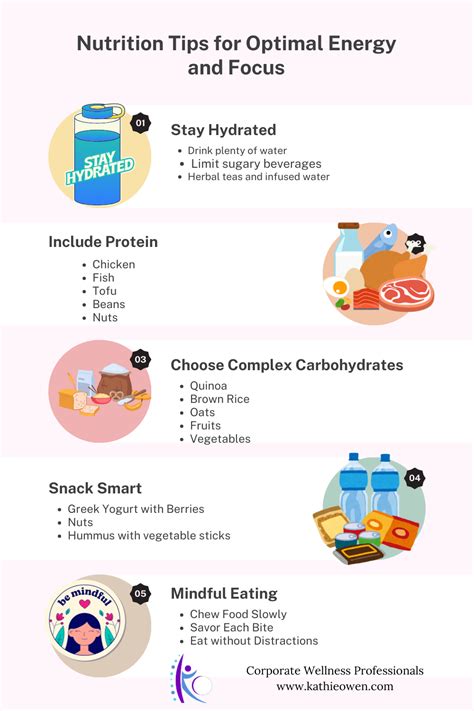
Consuming complex carbohydrates 2-3 hours before a workout ensures a steady release of glucose into the bloodstream, preventing energy crashes. Good options include:
- Oats or whole-grain bread
- Brown rice or quinoa
- Sweet potatoes
- Fruits like bananas or berries (closer to workout for quicker energy)
For a closer-to-workout snack (30-60 minutes), focus on easily digestible simple carbs like a banana or a small fruit smoothie.
Protein: Muscle Protection
Including a moderate amount of lean protein pre-workout can help reduce muscle damage during exercise and kickstart the muscle repair process. Aim for:
- Chicken breast or turkey
- Greek yogurt or cottage cheese
- Protein powder (whey or casein)
Combining protein with carbohydrates provides a balanced energy source and protects muscle tissue.
Maximizing Post-Workout Recovery and Growth
The post-workout period is often referred to as the ‘anabolic window,’ a critical time when your muscles are primed to absorb nutrients for repair and growth. Refueling promptly can significantly impact recovery and future performance.
Protein: The Building Blocks
Immediately after a workout, your muscles are craving protein to initiate muscle protein synthesis (MPS). A quick-digesting protein source is ideal:
- Whey protein shake
- Lean meats (chicken, fish)
- Eggs
Aim for 20-40 grams of protein, depending on your body weight and training intensity, within 30-60 minutes post-exercise.
Carbohydrates: Glycogen Replenishment
After intense training, your muscle glycogen stores are depleted. Replenishing these stores is crucial for recovery and preparing for your next session. Opt for fast-digesting carbohydrates:
- White rice or pasta
- Potatoes (white or sweet)
- Fruit juice or sports drinks
- Rice cakes
A 2:1 or 3:1 ratio of carbohydrates to protein is often recommended for optimal post-workout recovery, especially after strenuous sessions.

Beyond the Basics: Hydration and Consistency
While macro-nutrient timing is vital, the importance of hydration and overall dietary consistency cannot be overstated. Dehydration can severely impair performance and recovery. Drink water consistently throughout the day, and consider electrolyte-rich beverages during or after intense, prolonged workouts.
Furthermore, your pre and post-workout meals are just two pieces of a larger nutritional puzzle. A balanced diet rich in whole foods, healthy fats, and micronutrients throughout the day forms the foundation for sustained muscle growth and overall health. Consistency in your nutritional approach, paired with progressive overload in your training, is the ultimate recipe for success.
Putting It All Together for Peak Performance
Crafting optimal pre and post-workout fueling strategies is a personalized journey, often requiring some experimentation to find what works best for your body and training schedule. Listen to your body, track your progress, and adjust your intake as needed. By prioritizing these crucial nutritional windows, you’ll provide your body with the best possible chance to recover, adapt, and build the muscle mass you’re striving for.