Why Secure Personal Finance Tracking is Paramount
In an increasingly digital world, managing personal finances online has become standard practice. While the convenience is undeniable, the risks associated with data breaches and identity theft are equally significant. Securely tracking your financial health isn’t just about knowing where your money goes; it’s about protecting your assets and personal information from malicious actors. Fortunately, a suite of essential tech tools exists to help you navigate this landscape with confidence and peace of mind.
From day-to-day budgeting to long-term investment planning, the right technology can provide robust security layers, intelligent insights, and unparalleled convenience. Let’s explore the crucial gear that forms the bedrock of secure personal finance tracking.

The Core of Your Financial Hub: Budgeting & Tracking Apps
Modern budgeting and finance tracking applications are more than just digital ledgers; they are sophisticated platforms designed to aggregate your financial data, provide insights, and help you stick to a budget. When choosing an app, prioritize those with strong security protocols.
- Multi-Factor Authentication (MFA): A non-negotiable feature, MFA adds an extra layer of security beyond just your password.
- Data Encryption: Ensure the app uses robust encryption (e.g., AES-256) for data at rest and in transit.
- Regular Security Audits: Reputable apps often undergo independent security audits to identify and fix vulnerabilities.
- Examples: Apps like Mint, YNAB (You Need A Budget), Personal Capital, and Simplifi are popular choices, each offering various levels of integration and security features. Many offer bank-level security to protect your sensitive information.
Fortifying Your Digital Defenses: Password Managers & MFA Tools
Your financial security is only as strong as your weakest password. Reusing passwords or using weak ones is an open invitation for trouble. A dedicated password manager is an indispensable tool for generating, storing, and managing complex, unique passwords for every online account.
- Password Managers: Tools like LastPass, 1Password, and Bitwarden encrypt your passwords in a secure vault, accessible only by a strong master password. They can also autofill credentials securely.
- Dedicated MFA Apps: While many financial apps have built-in MFA, using a separate authenticator app like Google Authenticator, Authy, or Microsoft Authenticator adds another layer of defense, making it harder for unauthorized users to gain access even if they have your password.

Secure Banking & Investment Platforms
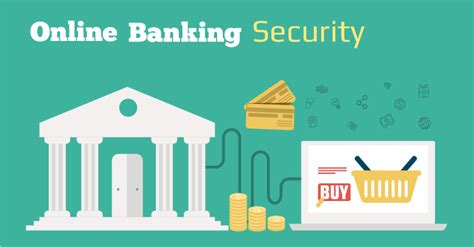
While not strictly ‘tools’ you choose, the platforms where you keep your money are paramount. Modern banks and investment firms invest heavily in security, but it’s crucial to utilize their features effectively:
- Encrypted Connections (HTTPS): Always verify that you’re on a secure connection (look for ‘https://’ and a padlock icon).
- Fraud Alerts & Notifications: Enable SMS or email alerts for unusual activity, large transactions, or password changes.
- Virtual Card Numbers: Some banks offer temporary, single-use card numbers for online purchases, adding an extra layer of security.
- Account Monitoring: Regularly review your bank and credit card statements for any suspicious transactions.
Beyond the Basics: Identity Protection & Credit Monitoring Services
Proactive monitoring of your identity and credit score is crucial in today’s environment. These services go beyond just tracking transactions:
- Credit Monitoring: Services like Credit Karma, Experian, TransUnion, or Equifax provide regular updates on your credit score and alerts for new accounts opened in your name or significant changes to your credit report.
- Identity Theft Protection: Companies like LifeLock or IdentityForce offer more comprehensive services, including dark web monitoring, lost wallet assistance, and identity restoration support if your data is compromised.
Privacy & Encryption Best Practices
While specific tools, these are essential habits and supplementary tech that enhance your overall financial security:
- Virtual Private Networks (VPNs): When accessing financial accounts on public Wi-Fi, a VPN encrypts your internet traffic, protecting it from eavesdroppers.
- Secure Browsers: Using browsers with enhanced privacy features can prevent tracking and block malicious websites.
- Device Security: Keep your operating systems, browsers, and all financial apps updated. Use strong device passcodes and biometric security (fingerprint/face ID).
- Data Backups: Securely back up important financial documents, preferably encrypted, to protect against data loss.
Conclusion
Securing your personal finances in the digital age requires a multi-layered approach. By integrating robust budgeting apps, strong password managers, secure banking practices, and identity protection services into your financial routine, you build a resilient defense against threats. These essential tech tools not only offer convenience and insight but, more importantly, provide the peace of mind that comes with knowing your financial information is safeguarded. Stay vigilant, stay updated, and leverage technology to empower your financial security.