Understanding the Needs of Heavy Runners
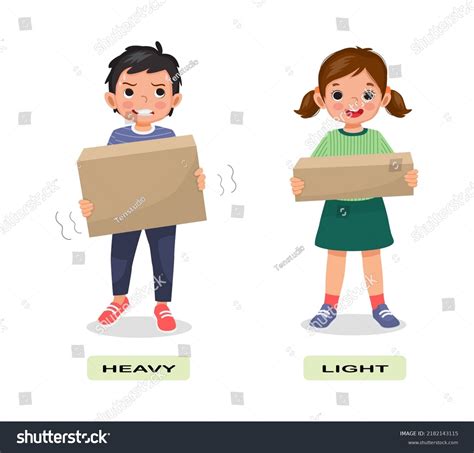
Being a heavier runner comes with unique demands on your footwear. More body weight means increased impact forces with each stride, placing greater stress on your joints, muscles, and the shoes themselves. Choosing the right pair isn’t just about comfort; it’s a critical step in preventing common running injuries like plantar fasciitis, shin splints, and knee pain, while ensuring an enjoyable and sustainable running journey.

Why Specific Running Shoes Are Essential for Heavier Individuals
Standard running shoes are often designed for average-weight runners and may not provide the necessary support or cushioning for heavier individuals. Without adequate shock absorption and structural integrity, these shoes can break down faster, lose their effectiveness, and contribute to discomfort and potential injuries. The right shoes offer enhanced cushioning to absorb impact, superior stability to guide the foot, and robust construction to withstand the extra demands.
Key Features to Prioritize
When searching for the best running shoes, focus on these critical elements:
- Max Cushioning: Look for shoes with ample foam in the midsole. Brands often use proprietary technologies like HOKA’s MAX CUSHION, Brooks’ DNA LOFT, or Saucony’s PWRRUN to provide a plush, protective ride that disperses impact effectively. This helps reduce stress on your knees, hips, and lower back.
- Superior Support and Stability: Heavier runners often benefit from shoes offering excellent stability. This isn’t just about cushioning; it’s about the shoe’s ability to prevent excessive pronation (the inward rolling of your foot). Stability shoes typically incorporate features like medial posts or guide rails to gently steer your foot into a more neutral alignment, reducing strain on ankles and knees.
- Durability: The outsole and upper materials need to be robust. A durable outsole, often made with high-abrasion rubber, will withstand more miles without premature wear. Reinforced uppers ensure the shoe maintains its structure and fit over time, even with increased stress.
- Comfortable and Secure Fit: A well-fitting shoe is paramount. Ensure there’s enough room in the toe box, but the midfoot feels secure without being overly tight. A good fit prevents chafing, blisters, and ensures the support features work as intended.

Top Categories of Running Shoes for Max Support
While specific models change annually, understanding the categories will help you navigate the options:
High-Cushioning Neutral Shoes
These shoes are built for ultimate shock absorption, ideal for heavier runners with a neutral gait or mild pronation who primarily need impact protection. They feature thick midsoles designed to offer a soft, cloud-like experience without significant stability elements.
Stability Running Shoes
Designed for runners who overpronate, these shoes incorporate specific technologies to prevent the foot from rolling too far inward. They offer a balance of cushioning and structured support, making them a popular choice for heavier individuals seeking both comfort and injury prevention.
Motion Control Shoes
For severe overpronators or very heavy runners, motion control shoes offer the highest level of stability and support. They are typically stiffer and heavier than stability shoes, providing maximum resistance to pronation and a very structured ride. These are less common but crucial for those who truly need them.

Finding Your Perfect Pair: Beyond the Features
Don’t just rely on online reviews. The best way to find your ideal running shoe is to visit a specialized running store. A professional gait analysis can identify your foot strike pattern and pronation level, guiding you toward shoes that offer the right type of support. Try on several pairs, run a few strides in them if possible, and pay attention to how they feel, especially around your arch and heel.

Conclusion
Investing in the right running shoes is perhaps the most important decision a heavier runner can make for their health and performance. By prioritizing maximum cushioning, superior stability, and durable construction, you can significantly reduce the risk of injury, enhance your comfort, and enjoy many more miles on the road or trail. Happy running!