Understanding Octane: What Premium Really Means
Many drivers wonder if shelling out extra for premium gasoline is a smart move for their everyday vehicle. The answer isn’t a simple yes or no; it largely depends on the specific demands of your car’s engine. Premium gasoline is primarily distinguished by its higher octane rating, typically 91-93 (R+M)/2 octane in the US, compared to regular’s 87 octane. This rating is a measure of the fuel’s resistance to pre-ignition, also known as ‘engine knock’ or ‘pinging’.
Engine knock occurs when the air-fuel mixture ignites prematurely, out of sync with the spark plug’s firing. This uncontrolled combustion can cause power loss, reduced fuel efficiency, and, over time, significant engine damage. Higher octane fuel burns more slowly and resists compression more effectively, which is crucial for certain engine designs.
Does Your Car Need Premium Fuel? Check Your Manual
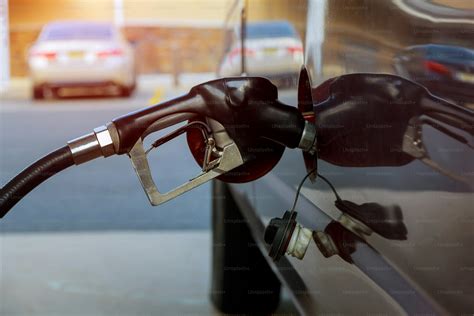
The most definitive guide to your car’s fuel requirements is its owner’s manual. Manufacturers design engines to run optimally on a specific octane level. If your manual states “Premium Fuel REQUIRED,” then using anything less can lead to the issues mentioned above, as the engine’s advanced timing and compression ratios necessitate the higher octane to prevent knocking. Modern vehicles equipped with knock sensors can often compensate for lower octane fuel by retarding the ignition timing, but this usually comes at the cost of reduced horsepower and fuel economy. While it prevents damage, it doesn’t allow the engine to perform as intended.
Conversely, if your manual states “Premium Fuel RECOMMENDED,” it means the engine will perform best with premium, but it can safely run on regular unleaded. In these cases, you might notice a slight dip in performance or fuel efficiency when using regular, but no long-term harm. For most daily drivers, this difference is often imperceptible during normal driving conditions.
The Myth of Performance and Cleaning Benefits
A common misconception is that premium gas offers better performance or has superior cleaning additives, making it beneficial for any car. For engines not designed for it, premium fuel provides absolutely no benefit in terms of increased horsepower, improved fuel economy, or enhanced engine cleaning. All grades of gasoline sold in the US (and many other countries) contain detergents to keep fuel injectors and valves clean, as mandated by fuel quality standards like the Top Tier Detergent Gasoline program.
Pouring premium into a car designed for regular unleaded is, quite simply, a waste of money. Your engine’s computer is calibrated for 87 octane; it won’t magically unlock extra power or efficiency from 91 octane fuel. Instead, you’ll just be paying more per gallon without any tangible return.

When Premium Might Be Required or Recommended
Vehicles that typically require or recommend premium fuel often feature high-compression engines, turbochargers, or superchargers. These forced-induction systems significantly increase the pressure and temperature inside the combustion chambers, making them more susceptible to pre-ignition. High-performance sports cars, luxury vehicles, and some trucks designed for heavy towing are common examples.
For drivers of these specific vehicles, using the correct fuel is not just about optimal performance, but about protecting their investment. Ignoring the manufacturer’s recommendation can lead to engine stress and premature wear, potentially resulting in costly repairs down the line.

Conclusion: Save Your Money, Follow the Science
For the vast majority of daily drivers, premium gas is an unnecessary expense. If your car’s owner’s manual specifies regular unleaded, stick with it. You won’t gain any performance, efficiency, or longevity benefits by upgrading to premium, and you’ll simply be spending more at the pump. The only time premium is truly “worth it” is when your vehicle’s manufacturer explicitly requires or strongly recommends it. In all other scenarios, embrace the regular pump and enjoy the savings.