Understanding the Male Energy Challenge
Many men strive for peak performance in their careers, workouts, and personal lives, often pushing their bodies to the limits. However, the pursuit of high energy and sharp focus can sometimes lead to dietary choices that result in energy crashes, brain fog, and unsustainable habits. The key lies not in deprivation or extreme diets, but in understanding how to consistently fuel the body and mind for sustained vitality without the dreaded ‘bonk’ or ‘crash’.
This article will explore practical, science-backed strategies for men to optimize their nutrition, ensuring a steady supply of energy and unwavering focus throughout the day, every day.

The Pitfalls of Traditional ‘Energy’ Diets
Often, men fall into traps like excessive caffeine, sugar-laden energy drinks, or highly restrictive diets in an attempt to boost energy. While these might offer a temporary jolt, they almost inevitably lead to a subsequent crash, characterized by fatigue, irritability, and decreased concentration. These methods disrupt blood sugar regulation, adrenal function, and overall metabolic balance, creating a cycle of highs and lows that hinders true peak performance.
Furthermore, skipping meals or relying on processed convenience foods, even if marketed as ‘healthy,’ often lacks the necessary macro and micronutrients to support long-term energy production and cognitive function.
Macro-Nutrition for Sustained Power
Prioritize Complex Carbohydrates
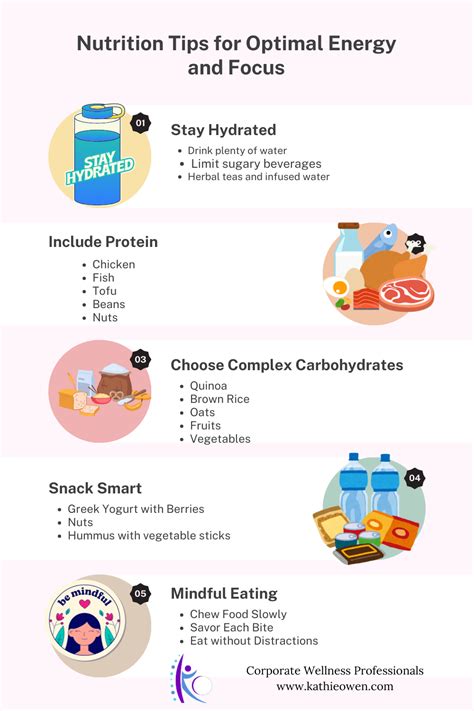
Instead of simple sugars that spike blood glucose, focus on complex carbohydrates like whole grains (oats, quinoa, brown rice), sweet potatoes, and legumes. These break down slowly, providing a steady release of glucose into the bloodstream, which is crucial for brain function and muscle energy. Incorporate these at strategic points, especially around periods of high mental or physical exertion.
Quality Protein at Every Meal
Protein is vital for satiety, muscle repair, and the production of neurotransmitters essential for focus. Aim for lean sources like chicken breast, fish, lean beef, eggs, and plant-based options such as tofu, lentils, and tempeh. Distribute your protein intake throughout the day to support continuous muscle protein synthesis and stable energy levels.

Healthy Fats Are Your Friends
Don’t shy away from healthy fats! Monounsaturated and polyunsaturated fats (found in avocados, nuts, seeds, olive oil, and fatty fish) are crucial for hormone production, cell membrane integrity, and nutrient absorption. They also contribute significantly to satiety, helping to prevent overeating and subsequent energy slumps. Omega-3 fatty acids, in particular, are renowned for their anti-inflammatory properties and support of brain health and cognitive function.
Micro-Nutrients: The Unsung Heroes of Energy & Focus
Beyond the macros, a wealth of vitamins and minerals play critical roles in energy metabolism and brain health:
- B Vitamins: Essential for converting food into energy. Found in whole grains, leafy greens, and animal products.
- Magnesium: Involved in over 300 enzymatic reactions, including energy production and nerve function. Rich sources include dark leafy greens, nuts, seeds, and dark chocolate.
- Iron: Crucial for oxygen transport to muscles and brain. Found in red meat, spinach, and lentils.
- Zinc: Supports immune function and cognitive processes. Present in oysters, beef, and pumpkin seeds.
- Vitamin D: Linked to mood, energy, and overall health. Primarily obtained from sun exposure and fatty fish.

Strategic Hydration and Timing
Stay Hydrated
Dehydration is a common, yet often overlooked, cause of fatigue and decreased focus. Aim to drink plenty of water throughout the day, especially before and during workouts. Electrolyte-rich fluids can be beneficial for those with high activity levels or in hot climates.
Meal Timing Matters
Eating regular, balanced meals and snacks helps maintain stable blood sugar levels, preventing energy dips. Avoid large, heavy meals that can divert blood flow to the digestive system, leading to post-meal sluggishness. Instead, opt for smaller, nutrient-dense meals every 3-4 hours.

Lifestyle Factors Beyond the Plate
While nutrition is paramount, other lifestyle components significantly impact daily energy and focus:
- Quality Sleep: Non-negotiable for recovery and cognitive function. Prioritize 7-9 hours per night.
- Stress Management: Chronic stress depletes energy and impairs focus. Incorporate mindfulness, meditation, or hobbies.
- Regular Exercise: Boosts circulation, mood, and overall energy levels, but ensure proper recovery.

Building a Sustainable Fueling Strategy
The path to peak daily energy and focus without diet crashes is not about restrictive diets, but about intelligent, sustainable fueling. It involves a balanced intake of complex carbohydrates, lean proteins, healthy fats, and a rich array of micronutrients, supported by strategic hydration and mindful meal timing. By integrating these nutritional principles with healthy lifestyle habits, men can unlock their full potential, maintaining high energy and sharp focus throughout their demanding daily lives, without succumbing to the dreaded crash.