Navigating the Dual Path to Financial Prosperity
Navigating the complexities of personal finance is a significant challenge for many men, especially when faced with the dual imperative of eliminating debt while simultaneously building wealth for the future. It’s a balancing act that demands strategy, discipline, and foresight. This article will guide you through practical steps to achieve both financial freedom and substantial future wealth, ensuring you make intelligent decisions at every turn.

Understanding Your Financial Landscape
Before you can craft an effective strategy, you must first thoroughly understand your current financial situation. This involves a clear assessment of your debts and a realistic definition of your investment goals.
- Assess Your Debt: Detail all your outstanding debts, including credit cards, student loans, car loans, and mortgages. Crucially, note the interest rate for each. High-interest debt is often the most detrimental to your financial progress.
- Evaluate Your Income and Expenses: Create a clear budget to understand exactly where your money is going. Identifying areas where you can reduce spending will free up more funds for both debt repayment and investing.
- Define Your Investment Goals: What are you saving for? Retirement, a down payment on a house, your children’s education, or simply long-term wealth accumulation? Clear goals will help you prioritize and stay motivated.
The Debt-First vs. Invest-First Dilemma
The common debate often pits aggressive debt repayment against immediate investing. While some advocate for eliminating all debt before investing a single dollar, a more nuanced approach often yields better long-term results.
High-interest debt (typically anything above 6-7%) acts like a significant drag on your financial progress, effectively creating a guaranteed negative return. However, completely delaying investing can mean missing out on the power of compound interest and potential employer matching contributions, which are essentially free money.

Crafting Your Hybrid Strategy
The optimal approach for most men is a balanced, hybrid strategy that addresses both debt and investment simultaneously. Here’s how to build one:
1. Establish a Mini Emergency Fund
Before tackling any significant debt or investing, save a small emergency fund, typically $1,000-$2,000. This acts as a crucial buffer against unexpected expenses, preventing you from incurring new debt when life inevitably throws a curveball.
2. Tackle High-Interest Debt Aggressively
Focus intense effort on paying down debts with the highest interest rates, such as credit card debt or personal loans. The ‘debt avalanche’ method (paying highest interest first) saves you the most money over time. Consider allocating a significant portion of your disposable income to these debts.
3. Maximize Employer 401(k) Match
This is non-negotiable. If your employer offers a 401(k) match, contribute at least enough to get the full match. It’s an instant, risk-free return on your investment – essentially free money you shouldn’t leave on the table, even if it means slowing down debt repayment slightly on lower-interest debts.
4. Allocate Remaining Funds Smartly
Once high-interest debts are being managed and your employer match is secured, you can create a proportional split for your remaining disposable income. A common strategy might be to allocate 50-70% towards accelerating debt repayment and 30-50% towards broader investments. This ratio can shift as your debt burden decreases and your wealth-building momentum grows.

5. Diversify Your Investments
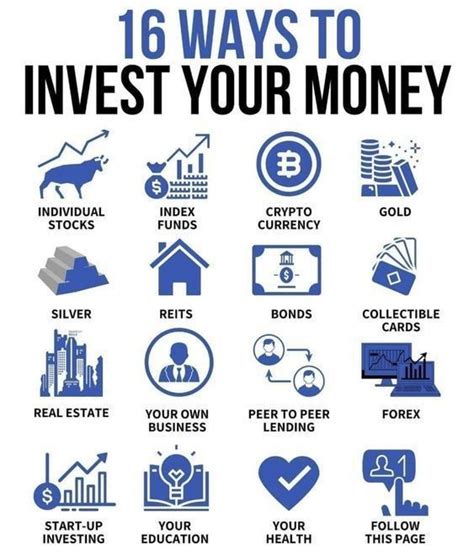
Beyond your 401(k), explore other investment vehicles. Consider opening a Roth IRA or Traditional IRA for tax-advantaged growth. For further investments, a taxable brokerage account can offer flexibility. Focus on diversified, low-cost index funds or Exchange Traded Funds (ETFs) that track broad market indices, as these offer broad market exposure and historically strong returns over the long term.
Key Principles for Sustainable Wealth Building
Balancing debt and investing is not a one-time decision but an ongoing process. Adhere to these principles for long-term success:
- Consistency is King: Automate your savings and investment contributions. Regular, even small, contributions compound significantly over time.
- Long-Term Perspective: Resist the urge to react to short-term market fluctuations. Investing for wealth building is a marathon, not a sprint. Focus on your long-term goals.
- Continuous Financial Education: The financial landscape evolves. Continue to learn about personal finance, investment strategies, and tax laws to make informed decisions.
- Review and Adjust Regularly: Life changes, and so should your financial plan. Review your budget, debt repayment progress, and investment portfolio at least once a year. Adjust your allocations and goals as needed.

Your Path to Financial Empowerment
Achieving a healthy balance between paying down debt and smart investing is fundamental to building lasting wealth. For men, adopting this dual approach provides the discipline to tackle financial obligations while simultaneously harnessing the power of compounding for future prosperity. It requires patience, consistency, and intelligent decisions, but the reward is true financial freedom and a secure future.