Optimizing Male Energy and Focus Through Diet
Achieving peak performance in both professional and physical domains demands a sharp mind and sustained energy. For men, dietary choices play a pivotal role in dictating these crucial aspects, influencing everything from cognitive function and mood to stamina and muscle recovery. Shifting towards a nutrient-dense eating pattern can unlock significant improvements in daily energy levels and unwavering focus, both at the desk and in the gym.

The Foundation: Balanced Macronutrients for Sustained Power
The bedrock of a high-performing diet lies in the proper balance of macronutrients – proteins, carbohydrates, and healthy fats. Each plays a distinct yet interconnected role in fueling the male body and brain.
Protein: Muscle, Satiety, and Steady Energy
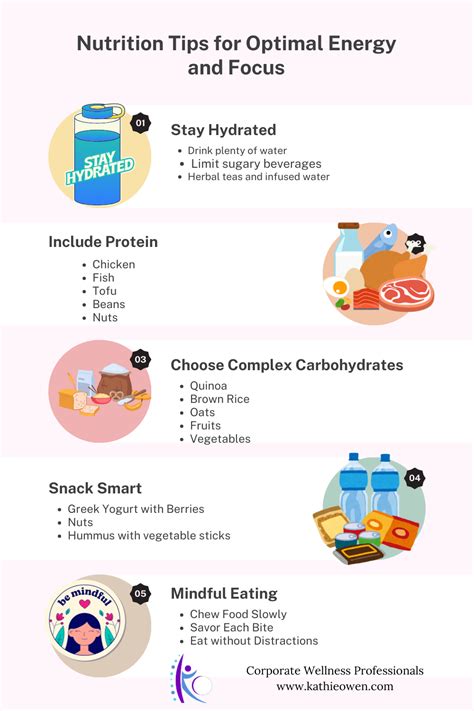
Adequate protein intake is non-negotiable for men looking to build and maintain muscle mass, which directly impacts metabolism and energy. Protein also provides a steady release of energy and promotes satiety, preventing energy dips. Aim for lean sources such as chicken breast, turkey, lean beef, fish, eggs, legumes, and dairy.
Complex Carbohydrates: Brain Fuel and Endurance
While often demonized, complex carbohydrates are essential for sustained energy, especially for those with active lifestyles and demanding cognitive tasks. They provide glucose, the brain’s primary fuel source, and replenish glycogen stores needed for physical performance. Prioritize whole grains like oats, quinoa, brown rice, whole-wheat bread, and an abundance of fruits and vegetables.
Healthy Fats: Hormones, Brain Health, and Absorption
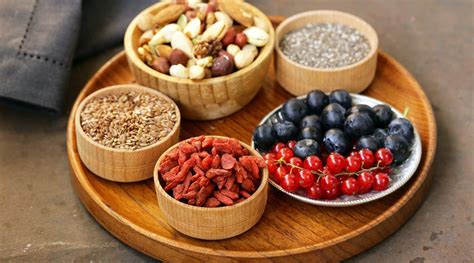
Healthy fats are crucial for hormone production, including testosterone, and support brain health, reducing inflammation and improving cognitive function. They also aid in the absorption of fat-soluble vitamins. Incorporate sources like avocados, nuts (almonds, walnuts), seeds (chia, flax, pumpkin), olive oil, and fatty fish (salmon, mackerel).
Micronutrient Powerhouses: Fueling Your Brain and Body
Beyond the macros, a spectrum of vitamins and minerals acts as co-factors in countless bodily processes, directly impacting energy production, cognitive clarity, and physical resilience.
B Vitamins: The Energy Catalysts
The B-vitamin complex (B1, B2, B3, B5, B6, B7, B9, B12) is vital for converting food into energy. Deficiencies can lead to fatigue and poor concentration. Rich sources include whole grains, leafy green vegetables, meat, fish, eggs, and dairy.
Magnesium: The Relaxation and Energy Mineral
Magnesium is involved in over 300 enzymatic reactions, including ATP (energy) production, muscle function, and nerve transmission. It can also help reduce stress and improve sleep quality, both crucial for energy and focus. Find it in dark leafy greens, nuts, seeds, legumes, and dark chocolate.
Zinc: Testosterone, Immunity, and Cognition
Zinc is essential for testosterone production, immune function, and various cognitive processes. Low zinc levels can lead to fatigue and reduced mental acuity. Oysters, red meat, poultry, beans, and pumpkin seeds are excellent sources.
Omega-3 Fatty Acids: Brain Health and Anti-Inflammation
EPA and DHA, found in omega-3s, are critical for brain structure and function. They support cognitive health, reduce inflammation, and can improve mood, all contributing to better focus. Fatty fish (salmon, tuna, mackerel) and flaxseeds are primary sources.

Hydration: The Unsung Hero of Performance
Even mild dehydration can significantly impair cognitive function, leading to reduced concentration, slower reaction times, and fatigue. It also negatively impacts physical performance. Make sure to drink plenty of water throughout the day, aiming for at least 8-10 glasses, more if you’re physically active or in a hot environment. Herbal teas and water-rich fruits and vegetables also contribute.

Strategic Meal Timing: Maximizing Absorption and Preventing Crashes
It’s not just what you eat, but when you eat it. Consuming regular, balanced meals helps maintain stable blood sugar levels, preventing energy spikes and crashes. Prioritize a nutritious breakfast to kickstart your metabolism and cognitive function.
Pre-workout meals or snacks (complex carbs and lean protein) provide fuel for performance, while post-workout nutrition (protein and simple carbs) is crucial for recovery and muscle repair, ensuring you’re ready for the next challenge. Avoid skipping meals and excessive consumption of sugary snacks or highly processed foods, which offer a temporary boost followed by a debilitating crash.

Foods to Embrace and Foods to Limit for Peak Performance
To summarize, center your diet around whole, unprocessed foods. Embrace: lean proteins, whole grains, a rainbow of fruits and vegetables, healthy fats, and plenty of water.
Limit: refined sugars, highly processed foods, excessive saturated and trans fats, and alcohol, as these can detract from energy, focus, and overall health.
Conclusion: Fuel Your Potential
Optimizing your diet is one of the most powerful levers you can pull to significantly enhance male energy and focus for both work and gym performance. By prioritizing a balanced intake of macronutrients, ensuring sufficient micronutrient intake, staying adequately hydrated, and timing your meals strategically, you can create a robust nutritional foundation that fuels sustained vitality, sharp cognitive function, and peak physical output. Make these changes consistently, and you’ll not only feel better but perform at your absolute best.