Understanding the Impact of Fuel Costs
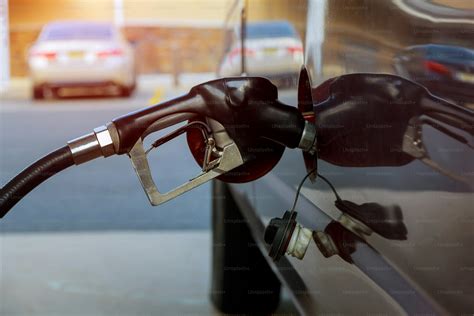
Fuel expenses represent a significant portion of many household budgets, fluctuating with global markets and local demand. Maximizing your vehicle’s fuel economy isn’t just about being environmentally conscious; it’s a direct route to substantial monthly savings. By adopting a few simple yet effective strategies, you can significantly reduce your trips to the gas station and keep more money in your pocket.
Optimize Your Driving Habits
Your driving style is perhaps the single biggest factor influencing fuel consumption. Aggressive driving—rapid acceleration, hard braking, and excessive speeding—can dramatically decrease your miles per gallon (MPG). Instead, practice smooth acceleration and gentle braking. Anticipate traffic flow to avoid sudden stops and starts.
Maintaining a steady speed, especially on highways, is crucial. Using cruise control for long stretches can help achieve this consistency and prevent unnecessary fuel waste from speed fluctuations. Remember, every 5 mph you drive over 50 mph is like paying an additional $0.34 per gallon for gas, according to FuelEconomy.gov.

Prioritize Regular Vehicle Maintenance
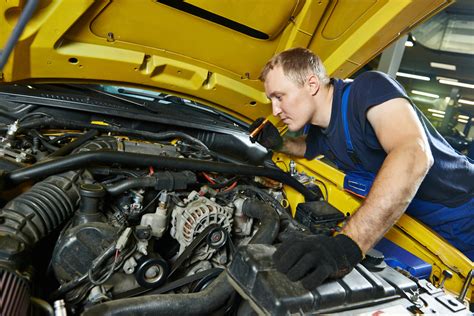
A well-maintained vehicle operates more efficiently. Simple preventative maintenance can have a profound impact on your fuel economy. Regular oil changes with the manufacturer-recommended oil type reduce engine friction. Keep your air filter clean; a clogged filter can restrict airflow to the engine, forcing it to work harder and consume more fuel.
Tire pressure is another critical, yet often overlooked, factor. Under-inflated tires increase rolling resistance, making your engine work harder. Check your tire pressure monthly, referring to your vehicle’s manual or the sticker on the driver’s side door jamb for the correct PSI. Additionally, proper wheel alignment can prevent uneven tire wear and improve fuel efficiency.
Smart Trip Planning and Weight Reduction
Combine multiple errands into a single trip to reduce cold starts, which are less fuel-efficient than driving a warmed-up engine. Plan your routes to avoid heavy traffic and construction, opting for the most direct and efficient paths. Navigation apps can assist in finding the quickest routes and avoiding congestion.
Every extra pound your vehicle carries reduces its fuel economy. Remove unnecessary items from your trunk and back seats. While roof racks and cargo carriers are useful, remove them when not in use as they create aerodynamic drag, significantly impacting fuel efficiency, especially at higher speeds.
Consider Your Air Conditioning and Idling Habits
Using your air conditioning system increases fuel consumption, particularly at lower speeds. At highway speeds, opening windows creates more aerodynamic drag than running the AC, so it’s often more fuel-efficient to use the AC sparingly. For short city drives, consider rolling down the windows instead.
Avoid excessive idling. If you anticipate being stopped for more than 30 seconds (excluding traffic stops), it’s generally more fuel-efficient to turn off your engine and restart it when you’re ready to go. Modern vehicles with stop-start systems do this automatically, illustrating the fuel-saving benefits of reducing idle time.

Long-Term Savings through Fuel-Efficient Choices
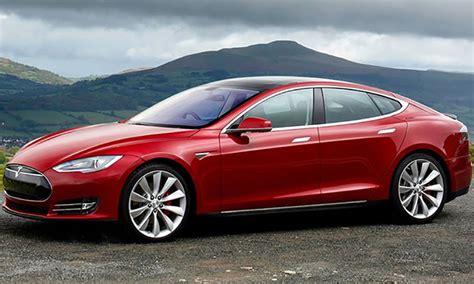
While the focus here is on maximizing the economy of your current vehicle, remember that future vehicle purchases can lock in significant long-term savings. When it’s time for a new car, prioritize models known for their fuel efficiency, such as hybrids, plug-in hybrids, or electric vehicles, depending on your needs and budget.
By consistently implementing these strategies, you’ll not only see a noticeable reduction in your monthly fuel expenses but also contribute to a greener environment through lower emissions. Small changes in habit can lead to significant savings over time, making a tangible difference to your personal budget.