Understanding Testosterone and Its Importance
Testosterone, the primary male sex hormone, plays a pivotal role in more than just reproductive health. It influences muscle mass, bone density, fat distribution, red blood cell production, mood, and libido. As men age, testosterone levels naturally decline, which can lead to various symptoms like fatigue, decreased libido, weight gain, and reduced muscle mass. While medical interventions exist, a powerful and often overlooked strategy for maintaining healthy testosterone levels is through diet.
Eating the right foods can provide your body with the essential building blocks and cofactors needed for testosterone synthesis, helping to optimize your hormonal balance naturally. This article delves into specific foods and nutrients known to support healthy testosterone production, empowering you to take control of your vitality.
Essential Nutrients for Testosterone Production
Zinc-Rich Foods: The Mineral Powerhouse
Zinc is perhaps one of the most crucial minerals for testosterone production. Studies have shown that even a marginal zinc deficiency can lead to a significant drop in testosterone levels. It plays a vital role in several enzymatic processes related to hormone synthesis. Aim to include zinc-rich foods regularly in your diet.
- Oysters: Often hailed as an aphrodisiac, oysters are incredibly rich in zinc, providing far more than any other food.
- Red Meat: Beef, lamb, and pork are excellent sources of zinc, as well as protein and healthy fats.
- Pumpkin Seeds: A fantastic plant-based source of zinc, magnesium, and other beneficial nutrients.
- Beans & Legumes: Chickpeas, lentils, and black beans also contribute significant amounts of zinc.
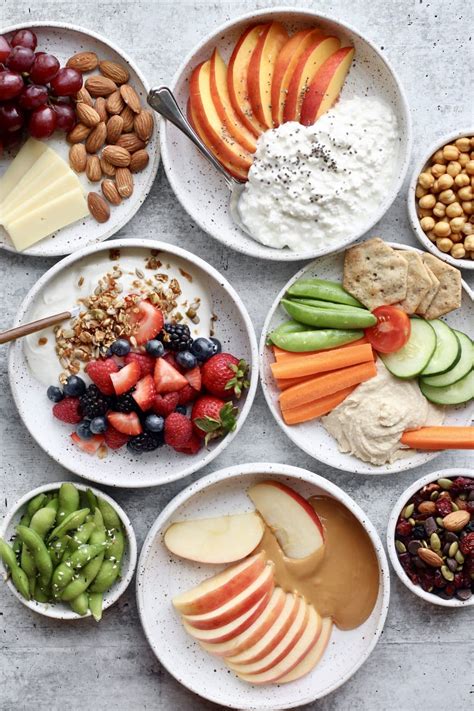
- Nuts: Cashews and almonds provide good amounts of this essential mineral.
Vitamin D: The Sunshine Hormone
Often referred to as the ‘sunshine vitamin,’ Vitamin D is actually a steroid hormone itself and plays a critical role in numerous bodily functions, including testosterone production. Research indicates a strong correlation between adequate Vitamin D levels and higher testosterone.
- Fatty Fish: Salmon, mackerel, tuna, and sardines are among the best dietary sources of Vitamin D.
- Fortified Foods: Many milk, yogurt, orange juice, and cereal products are fortified with Vitamin D.
- Egg Yolks: While not as concentrated as fatty fish, egg yolks offer a decent amount of Vitamin D along with healthy fats.
Beyond diet, spending safe, moderate time in the sun is the most effective way to boost Vitamin D levels naturally.
Healthy Fats: Not All Fats Are Equal
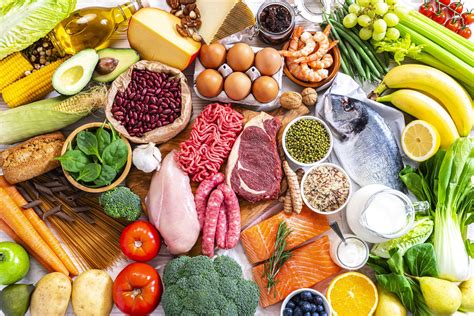
Dietary fats are essential for hormone production, including testosterone. The body needs cholesterol (a type of fat) as a precursor to synthesize steroid hormones. Focus on monounsaturated and omega-3 fatty acids, while limiting unhealthy saturated and trans fats.
- Avocado: Rich in monounsaturated fats, Vitamin E, and potassium, avocados support overall hormonal health.
- Olive Oil: Extra virgin olive oil is a cornerstone of the Mediterranean diet, providing healthy fats and antioxidants.
- Nuts & Seeds: Almonds, walnuts, chia seeds, and flaxseeds offer beneficial fats, fiber, and micronutrients.
- Fatty Fish: Again, salmon and other fatty fish are excellent sources of omega-3 fatty acids, which have anti-inflammatory benefits and support cell membrane health.
Magnesium-Rich Foods: The Overlooked Mineral
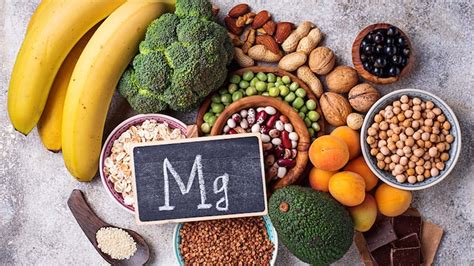
Magnesium is another mineral frequently found to be deficient in modern diets, yet it’s crucial for hundreds of biochemical reactions in the body, including those involved in testosterone synthesis. It works by reducing the binding of testosterone to proteins, thereby increasing the amount of free (bioavailable) testosterone.
- Leafy Green Vegetables: Spinach, kale, and Swiss chard are packed with magnesium.
- Dark Chocolate: A delicious source of magnesium and antioxidants (choose varieties with high cacao content).
- Legumes: Black beans and lentils are good sources.
- Nuts & Seeds: Almonds, cashews, and pumpkin seeds are excellent for magnesium.
Antioxidant-Rich Foods: Combatting Oxidative Stress
Oxidative stress can damage cells, including those involved in hormone production. Foods rich in antioxidants can help protect against this damage, supporting overall endocrine health.
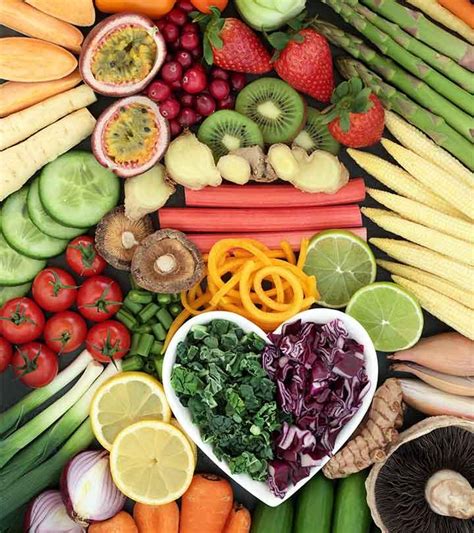
- Berries: Blueberries, strawberries, raspberries are loaded with antioxidants.
- Colorful Vegetables: Bell peppers, tomatoes, broccoli, and spinach provide a wide array of vitamins and antioxidants.
- Pomegranates: This fruit has been linked in some studies to improved testosterone and reduced oxidative stress.
Foods to Moderate or Avoid for Optimal Testosterone
While focusing on beneficial foods is key, it’s equally important to limit or avoid certain items that can negatively impact testosterone levels. Highly processed foods, excessive sugar, and unhealthy trans fats can contribute to inflammation, weight gain, and insulin resistance, all of which can disrupt hormonal balance. Excessive alcohol consumption can also temporarily lower testosterone levels.
Beyond Diet: A Holistic Approach
While diet plays a foundational role, remember that testosterone optimization is a holistic endeavor. Regular exercise (especially strength training), adequate sleep (7-9 hours), and effective stress management are all crucial components that work synergistically with a healthy diet to support optimal testosterone levels and overall male vitality.
Conclusion
Maximizing male vitality through natural testosterone improvement is an attainable goal with the right dietary choices. By prioritizing foods rich in zinc, Vitamin D, healthy fats, magnesium, and antioxidants, you can provide your body with the necessary support for robust hormone production. Couple these dietary changes with a healthy lifestyle, and you’ll be well on your way to experiencing enhanced energy, mood, muscle strength, and libido. Consult with a healthcare professional before making significant dietary changes or if you have concerns about your hormone levels.