Many aspire to achieve peak physical condition or robust financial security, yet consistency often remains an elusive goal. Whether it’s sticking to a workout regimen or adhering to a budget, the initial burst of motivation frequently wanes. The critical question isn’t about finding more willpower, but understanding the underlying mindset that fosters unwavering discipline across both these vital life domains.
Beyond Fleeting Motivation
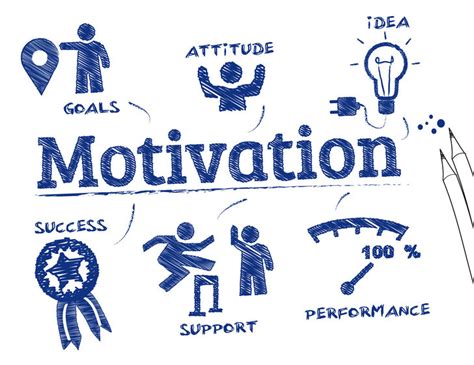
Motivation is a powerful spark, but it’s rarely a sustainable fuel for long-term consistency. We’ve all experienced the rush of starting a new diet or investment plan, only to find our enthusiasm dim a few weeks later. True discipline isn’t about perpetual motivation; it’s about a deeper commitment that transcends emotional states. It acknowledges that there will be days when you simply don’t ‘feel’ like it, but you act anyway.
This enduring commitment is less about brute force and more about strategic psychological alignment. It involves establishing systems and beliefs that make the disciplined choice the default, rather than an uphill battle.
The Power of Identity-Based Habits
One of the most potent drivers of consistent discipline is shifting from goal-based thinking to identity-based thinking. Instead of saying, “I want to get fit” or “I want to be rich,” the mindset becomes, “I am a healthy person” or “I am a financially responsible person.” When your actions align with your perceived identity, they no longer feel like obligations but rather expressions of who you are.
This shift reframes challenges. A healthy person doesn’t skip workouts because that’s not what a healthy person does. A financially responsible person doesn’t make impulsive purchases that undermine their future. Your identity becomes a powerful internal compass guiding your daily decisions, making it easier to maintain discipline even when external motivation is low.

Embracing the Process, Not Just the Outcome
Discipline often falters when the focus is exclusively on distant outcomes. Losing 50 pounds or saving a significant sum of money can seem daunting. A more effective mindset emphasizes the process—the daily actions and micro-habits that cumulatively lead to the desired result. Celebrating small wins, like completing a planned workout or consistently tracking expenses, reinforces the behavior and builds momentum.
When you learn to enjoy the process—the feeling of accomplishment after a workout, the clarity of understanding your finances—discipline transforms from a chore into a rewarding journey. This focus on the present action makes consistency inherently more sustainable and less dependent on future gratification.
Cultivating Delayed Gratification and Long-Term Vision
Both fitness and financial success are masters of the compound effect. Small, consistent actions taken today yield disproportionately large results in the future. The mindset that drives this understands and values delayed gratification. It’s the ability to forgo immediate pleasure—a sugary treat, an unnecessary purchase—for a greater, more meaningful reward down the line.
This requires a strong long-term vision. Individuals with consistent discipline vividly connect their present actions to their future self. They see their current choices as investments in the person they are becoming and the life they aspire to live. This foresight provides the mental fortitude to stay on track when instant gratification beckons.

Resilience and Learning from Setbacks
Discipline is not about perfection; it’s about persistence. Everyone will have days where they miss a workout, overspend, or deviate from their plan. The distinguishing mindset is one of resilience. Instead of viewing these moments as failures that derail the entire effort, they are seen as temporary setbacks, opportunities to learn, and chances to recalibrate.
A resilient mindset allows for a quick recovery. It asks, “What did I learn from this?” rather than dwelling on guilt. This non-judgmental approach prevents minor slips from spiraling into complete abandonment, ensuring that the overall trajectory remains positive.

The Role of Environment and Systems
While often overlooked, the environment plays a crucial role in sustaining discipline. A mindset focused on consistent discipline also recognizes the importance of engineering surroundings to support desired behaviors. This means making healthy food readily available, setting up automatic savings transfers, or laying out gym clothes the night before.
By consciously designing your environment and creating robust systems, you reduce the reliance on sheer willpower. The path of least resistance becomes the path of discipline, making consistent action almost automatic. This proactive approach significantly lowers the mental energy required to stay on track.
Ultimately, consistent discipline in fitness and financial goals isn’t a mystical trait possessed by a select few. It’s the result of cultivating a powerful mindset that prioritizes identity over aspiration, process over outcome, long-term vision over instant gratification, and resilience over perfection. By embracing these principles, individuals can transform fleeting motivation into an unwavering commitment that propels them towards lasting success in all areas of life.