Why Good Posture Matters for Men
For many men, back pain isn’t just an occasional nuisance; it’s a persistent issue that impacts daily life, work, and physical activity. Often, the root cause lies in poor posture developed over years, exacerbated by sedentary lifestyles, physical labor, or even intense workouts. Improving your posture isn’t just about looking better; it’s fundamental to preventing chronic pain, enhancing athletic performance, and boosting overall well-being. This guide offers practical, men-specific tips to help you stand taller, move freely, and live pain-free.

Mastering Everyday Posture Habits
The first step to better posture involves conscious awareness and adjustment of your body in common daily scenarios.
Sitting Posture (Desk & Driving)
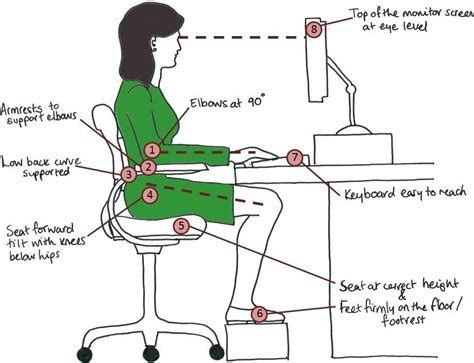
- Desk Setup: Ensure your monitor is at eye level, your feet are flat on the floor or a footrest, and your knees are at a 90-degree angle. Your back should be supported by the chair, ideally with a lumbar roll. Avoid slouching or leaning forward.
- Driving: Adjust your seat so your knees are slightly bent and your back is fully supported. Avoid hunching over the steering wheel; keep your shoulders relaxed and back.
Standing Posture
- Imagine a string pulling you upwards from the crown of your head. Keep your shoulders relaxed and pulled slightly back, not rounded forward.
- Engage your core gently. Your feet should be hip-width apart, and your weight evenly distributed. Avoid locking your knees.
Lifting Techniques
Whether it’s weights at the gym or heavy objects at home, improper lifting is a common cause of back injury. Always lift with your legs, not your back. Squat down, keep the object close to your body, and maintain a straight back as you push up through your heels.

Strengthening Your Core: The Foundation
A strong core is paramount for good posture and a healthy back. Your core isn’t just your abs; it includes your lower back, glutes, and hip flexors. A balanced core provides the stability your spine needs.
Key Core Exercises
- Plank: Hold a straight line from head to heels, engaging your abs and glutes. Aim for 30-60 second holds.
- Bird-Dog: On all fours, extend one arm forward and the opposite leg backward, keeping your back stable. Repeat on the other side.
- Glute Bridges: Lie on your back, knees bent, feet flat. Lift your hips off the floor until your body forms a straight line from shoulders to knees.
- Superman: Lie on your stomach, lift your arms, chest, and legs off the floor simultaneously, engaging your lower back and glutes.
Incorporate these into your routine 3-4 times a week, focusing on proper form over quantity.

Flexibility and Mobility for Back Health
Tight muscles can pull your spine out of alignment, contributing to poor posture and pain. Regular stretching can alleviate this.
Targeted Stretches
- Hamstring Stretch: Lie on your back, loop a towel around your foot, and gently pull your leg towards you.
- Hip Flexor Stretch: In a lunge position, gently push your hips forward.
- Chest Stretch: Stand in a doorway, place forearms on the frame, and gently lean forward to open your chest.
- Cat-Cow Stretch: On all fours, alternate between arching your back (cow) and rounding it (cat) to mobilize your spine.
Ergonomics in Your Environment
Your surroundings play a significant role. Small adjustments can make a big difference.
- Workstation Assessment: Invest in an ergonomic chair, consider a standing desk, and ensure your keyboard and mouse are comfortably positioned.
- Footwear: Choose supportive shoes that provide good arch support. Avoid overly flat or overly high-heeled shoes for prolonged periods.
- Sleeping Posture: Sleep on your back with a pillow under your knees or on your side with a pillow between your knees to maintain spinal alignment. Avoid sleeping on your stomach.
When to Seek Professional Help
While these tips are highly effective for general posture improvement and pain reduction, persistent or severe back pain warrants professional attention. Consult a doctor or physical therapist if:
- Your pain is severe or debilitating.
- It doesn’t improve with self-care after a few weeks.
- You experience numbness, tingling, or weakness in your legs.
- The pain is accompanied by fever, unintentional weight loss, or changes in bowel/bladder function.
A professional can diagnose underlying issues and recommend a personalized treatment plan.

Conclusion
Improving posture and reducing back pain is a journey, not a destination. It requires consistency, awareness, and a commitment to incorporating healthier habits into your daily life. By understanding the principles of good posture, strengthening your core, maintaining flexibility, and optimizing your environment, men can significantly alleviate discomfort and build a stronger, more resilient body. Start with small, manageable changes, and over time, you’ll notice a profound difference in your comfort, energy levels, and overall physical health.