For men dedicated to building muscle, understanding the optimal protein intake is paramount. Protein is the fundamental building block of muscle tissue, and without sufficient amounts, your efforts in the gym may fall short of their potential. But what exactly constitutes ‘optimal’ when it comes to this crucial macronutrient?
The Role of Protein in Muscle Hypertrophy
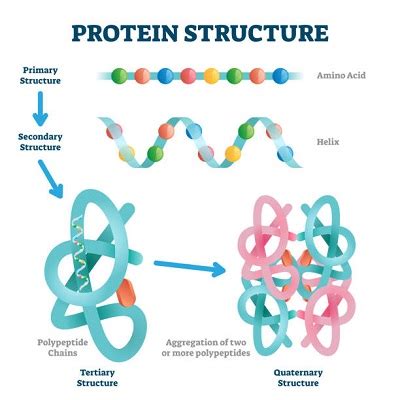
Protein is composed of amino acids, which are essential for muscle protein synthesis (MPS) – the process by which muscle cells repair and rebuild, leading to growth (hypertrophy). When you engage in resistance training, you create microscopic tears in your muscle fibers. Adequate protein intake provides the necessary amino acids to repair these tears, making the muscles stronger and larger over time.
General Recommendations: How Much Protein?
While individual needs can vary, scientific consensus points to a clear range for men aiming for muscle growth. Most research suggests that an intake of 1.6 to 2.2 grams of protein per kilogram of body weight per day is ideal. For those who prefer imperial units, this translates to approximately 0.7 to 1.0 grams of protein per pound of body weight.
- Example: A man weighing 80 kg (176 lbs) would aim for 128 to 176 grams of protein daily.
- Example: A man weighing 180 lbs would aim for 126 to 180 grams of protein daily.
Going significantly above 2.2 g/kg (1.0 g/lb) typically doesn’t offer additional benefits for muscle growth and may just lead to excess calories or increased protein oxidation.
Factors Influencing Optimal Intake
While the general range is a good starting point, several factors can influence your precise optimal intake:
Training Intensity and Volume
Men engaged in highly intense or high-volume resistance training, or those who also participate in other strenuous activities, may benefit from the higher end of the recommended protein range (closer to 2.2 g/kg or 1.0 g/lb) to support recovery and adaptation.
Calorie Deficit vs. Surplus
If you are in a calorie deficit (trying to lose fat while preserving muscle), a higher protein intake (often up to 2.5 g/kg or 1.1 g/lb) can be beneficial. This helps to spare muscle mass from being catabolized for energy and promotes satiety, making adherence to a diet easier.

Age and Experience Level
Older men may require slightly more protein due to anabolic resistance, a phenomenon where muscles become less sensitive to anabolic stimuli like protein. Beginners might see significant gains with slightly lower protein, but as training experience grows, the muscle’s capacity for growth increases, requiring consistent high intake.
Timing and Distribution of Protein
Beyond the total daily amount, how you distribute your protein throughout the day can also play a role. Aiming for 20-40 grams of protein per meal or snack, spread every 3-4 hours, appears to be effective for maximizing muscle protein synthesis. This ensures a steady supply of amino acids to your muscles.

The concept of an ‘anabolic window’ immediately post-workout is still discussed, but current research suggests that hitting your daily protein target is more important than precise post-workout timing, as long as you consume protein within a few hours of your training session.
Sources of Quality Protein
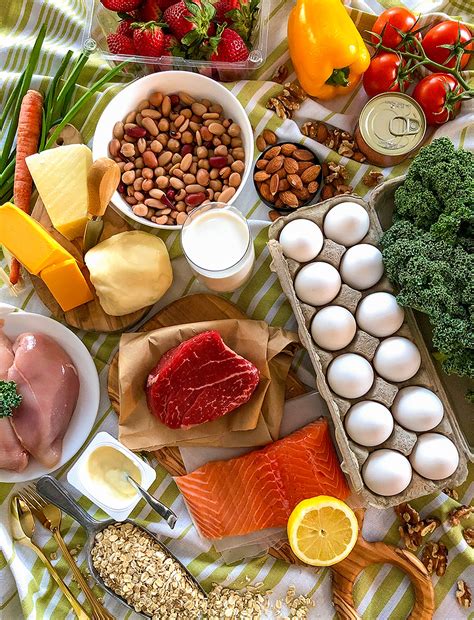
Focus on whole, unprocessed protein sources. Excellent options include:
- Lean meats (chicken breast, turkey, lean beef, pork)
- Fish (salmon, tuna, cod)
- Eggs
- Dairy products (Greek yogurt, cottage cheese, milk)
- Legumes (lentils, beans)
- Tofu and tempeh
- Protein powders (whey, casein, soy, pea) as a convenient supplement
The Bottom Line
For most men aiming for optimal muscle growth, consuming 1.6 to 2.2 grams of protein per kilogram of body weight per day, distributed consistently across meals, is the sweet spot. Adjust your intake within this range based on your training intensity, overall caloric intake, and individual response. Remember, protein is just one piece of the puzzle; consistent resistance training, adequate sleep, and overall balanced nutrition are equally crucial for achieving your physique goals.