Understanding Stubborn Male Belly Fat
For many men, shedding that persistent layer of belly fat, often referred to as “visceral fat,” proves to be one of the most frustrating aspects of their fitness journey. This type of fat, stored deep within the abdominal cavity, isn’t just a cosmetic concern; it’s also linked to significant health risks, including heart disease, type 2 diabetes, and metabolic syndrome. The challenge intensifies when the goal is not just fat loss but also the preservation of hard-earned lean muscle mass. This article will provide a comprehensive, actionable guide to tackle stubborn male belly fat while ensuring your muscles stay strong and defined.

The Nutritional Blueprint: Fueling Fat Loss & Muscle Growth
Your diet is paramount when targeting belly fat. It’s impossible to out-train a poor diet. Here’s how to structure your eating for optimal results:
1. Moderate Calorie Deficit
To lose fat, you must consume fewer calories than you burn. Aim for a moderate deficit of 300-500 calories below your maintenance level. A drastic cut can lead to muscle loss and make the diet unsustainable. Use an online TDEE calculator to estimate your maintenance calories and adjust accordingly.
2. Prioritize Protein Intake
Protein is crucial for muscle preservation and satiety. Aim for 1.6-2.2 grams of protein per kilogram of body weight daily. Protein helps repair muscle tissue, boosts metabolism (due to its higher thermic effect), and keeps you feeling full, reducing the likelihood of overeating. Lean meats, poultry, fish, eggs, dairy, and plant-based protein sources like legumes and tofu are excellent choices.
3. Smart Carbohydrate and Fat Management
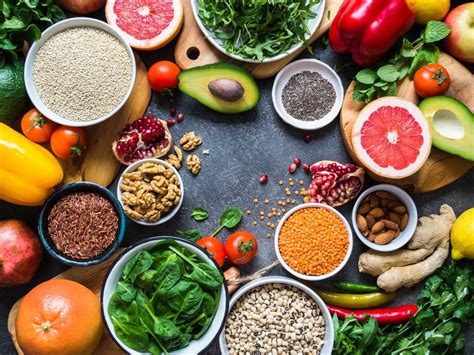
Don’t eliminate carbs or fats entirely, as both play vital roles. Focus on complex carbohydrates like whole grains, fruits, and vegetables for sustained energy and fiber. Healthy fats from avocados, nuts, seeds, and olive oil are essential for hormone production and overall health. Monitor portion sizes and prioritize nutrient-dense options.
4. Hydration is Key
Drink plenty of water throughout the day. Water aids metabolism, helps with satiety, and supports overall bodily functions. Sometimes, thirst is mistaken for hunger, leading to unnecessary snacking.
Strategic Exercise: Building Muscle, Burning Fat
Exercise is your second most powerful tool, especially when combined with a sound nutritional plan. The goal is to build or maintain muscle while creating an energy deficit.
1. Strength Training is Non-Negotiable
Lift heavy weights! Compound exercises (squats, deadlifts, bench press, overhead press, rows) engage multiple muscle groups, burn more calories, and stimulate muscle growth. Muscle is metabolically active tissue, meaning the more muscle you have, the more calories you burn at rest. Aim for 3-4 strength training sessions per week, focusing on progressive overload (gradually increasing weight, reps, or sets over time).
2. Incorporate High-Intensity Interval Training (HIIT)
HIIT involves short bursts of intense exercise followed by brief recovery periods. It’s incredibly effective for calorie burning and improving cardiovascular fitness. Studies show HIIT can target visceral fat specifically. Try 20-30 minute sessions 1-2 times per week on non-lifting days.
3. Low-Intensity Steady-State (LISS) Cardio
Don’t neglect steady-state cardio. Walking, jogging, or cycling at a moderate pace for longer durations (30-60 minutes) can contribute to your calorie deficit and aid recovery without excessively taxing your central nervous system. This is especially good for active recovery or on rest days.

Lifestyle Factors: The Hidden Fat-Loss Levers
Beyond diet and exercise, certain lifestyle elements significantly impact your ability to lose belly fat and maintain muscle.
1. Prioritize Quality Sleep
Lack of sleep disrupts hormones crucial for fat loss and muscle retention, specifically ghrelin (hunger hormone), leptin (satiety hormone), and cortisol (stress hormone). Aim for 7-9 hours of quality sleep per night. Poor sleep can increase cravings for unhealthy foods and hinder recovery.
2. Manage Stress Levels
Chronic stress elevates cortisol levels, which can promote abdominal fat storage and lead to muscle breakdown. Incorporate stress-reducing activities into your routine such as meditation, yoga, spending time in nature, or hobbies you enjoy.
3. Consistency and Patience are Paramount
Losing stubborn belly fat and building lean muscle is a marathon, not a sprint. Consistency in your diet, training, and lifestyle habits is key. Results won’t appear overnight, so stay patient and celebrate small victories. Track your progress (photos, measurements, strength gains) to stay motivated.

Conclusion: A Holistic Approach for Lasting Results
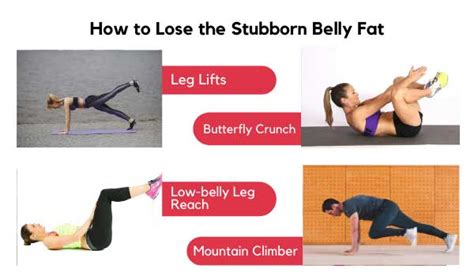
Effectively losing stubborn male belly fat while preserving lean muscle requires a multi-faceted and consistent approach. It’s about more than just endless crunches; it’s a strategic combination of a moderate calorie deficit, high protein intake, smart strength training, targeted cardio, adequate sleep, and effective stress management. By integrating these pillars into your routine, you can not only achieve a leaner physique but also significantly improve your overall health and well-being. Embrace the journey, stay consistent, and watch your body transform.