For many men, the modern professional landscape often involves long hours spent hunched over a desk. While careers flourish, the body, particularly the lower back, can suffer the consequences. Lower back pain is a pervasive issue, especially for those with sedentary desk jobs, leading to discomfort, reduced productivity, and a diminished quality of life. The good news is that much of this pain is preventable, and building a strong core is a cornerstone of a healthy back.
Understanding the Desk Job Dilemma
Prolonged sitting puts immense pressure on the lumbar spine. Poor posture, lack of movement, and weak core muscles combine to create a perfect storm for back pain. When you sit for hours, the muscles in your hips become tight, your glutes become inactive, and your abdominal muscles weaken, shifting the burden of support onto your lower back. This constant strain can lead to disc compression, muscle imbalances, and chronic pain.
Ergonomics: Your First Line of Defense
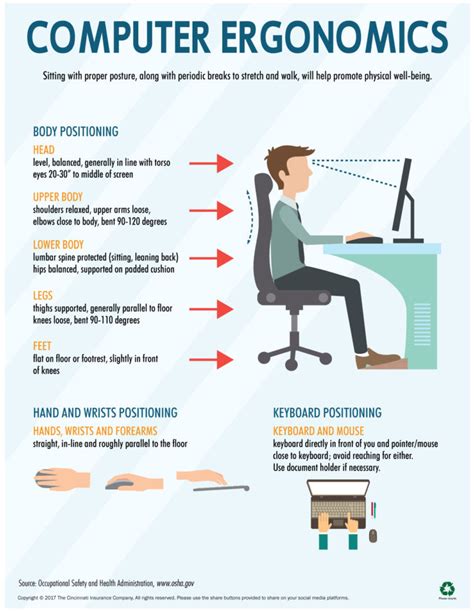
An ergonomically sound workstation is fundamental. It’s not just about a fancy chair; it’s about optimizing your entire setup to support natural spinal alignment.
- Chair: Choose a chair with good lumbar support. Your feet should be flat on the floor or a footrest, knees at a 90-degree angle.
- Monitor: Position your monitor at arm’s length, with the top of the screen at eye level. This prevents neck strain and slouching.
- Keyboard & Mouse: Keep them close to your body to avoid overreaching. Your elbows should be at a 90-100 degree angle.
- Standing Desk: Consider a standing desk or a desk converter to alternate between sitting and standing throughout the day. This significantly reduces static load on your spine.
Movement is Medicine: Break the Sedentary Cycle
No matter how perfect your ergonomic setup, prolonged static positions are detrimental. Incorporate regular movement breaks into your routine.
- Hourly Breaks: Stand up, stretch, and walk around for 5-10 minutes every hour.
- Micro-Breaks: Even small shifts in posture, shoulder rolls, or gentle back arches can make a difference.
- Walk & Talk: Suggest walking meetings or take calls while standing.

Building a Bulletproof Core: Beyond the Abs
Many people associate core strength with visible six-pack abs, but the core is a complex system of muscles that wraps around your entire torso, including the deep abdominal muscles, obliques, pelvic floor, diaphragm, and lower back muscles. A strong, stable core acts as a natural brace for your spine, reducing stress and improving posture.
Effective Core Strengthening Exercises for Men
Here are some highly effective exercises that target key core muscles without putting undue strain on your lower back. Aim for 2-3 sets of 10-15 repetitions, 3-4 times a week.
- Plank: Lie face down, prop yourself up on your forearms and toes, keeping your body in a straight line from head to heels. Engage your abs and glutes. Hold for 30-60 seconds.
- Bird-Dog: Start on all fours. Simultaneously extend your right arm forward and your left leg backward, keeping your back flat and hips level. Hold briefly, then return to the start. Alternate sides.
- Dead Bug: Lie on your back with knees bent at 90 degrees, shins parallel to the floor, and arms extended towards the ceiling. Slowly extend your left arm and right leg towards the floor without arching your back. Return and alternate.
- Side Plank: Lie on your side, propping yourself up on one forearm and the side of your foot. Lift your hips off the floor, keeping your body in a straight line. Hold for 30-60 seconds per side.

Flexibility and Mobility: The Missing Piece
Strengthening is crucial, but so is maintaining flexibility, particularly in the hips and hamstrings, which can become tight from sitting. Incorporate daily stretches:
- Hip Flexor Stretch: Kneel on one knee, with the other foot forward. Lean forward gently to feel a stretch in the front of your hip.
- Hamstring Stretch: Sit on the floor with legs extended. Reach for your toes, keeping your back straight.
- Cat-Cow Stretch: On all fours, alternate between arching your back (cow) and rounding it (cat) to gently mobilize the spine.

Consistency is Key
Preventing lower back pain and building core strength is not a one-time fix but an ongoing commitment. By combining ergonomic adjustments, regular movement, targeted core exercises, and consistent stretching, men can significantly reduce their risk of desk-job-related back pain and foster a healthier, stronger body. Listen to your body, be consistent with your routine, and consult a healthcare professional or physical therapist if pain persists or worsens.