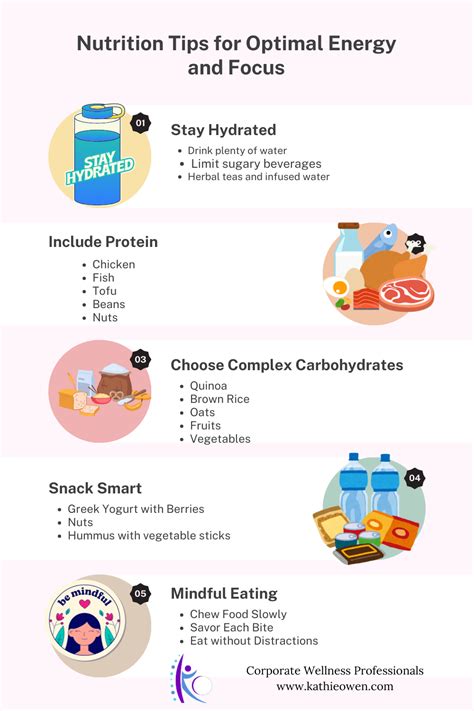
Optimizing Performance: The Science of Men’s Workout Fuel
For men dedicated to pushing their physical limits, whether in the gym, on the field, or during endurance activities, proper nutrition isn’t just an advantage—it’s a non-negotiable component of success. The right fuel strategy can dramatically impact energy levels, performance capacity, and the speed and quality of post-workout recovery. Understanding how to nourish your body before, during, and after exercise is key to unlocking your full athletic potential and building a stronger, more resilient physique.

The Macronutrient Powerhouses: Carbs, Protein, and Fats
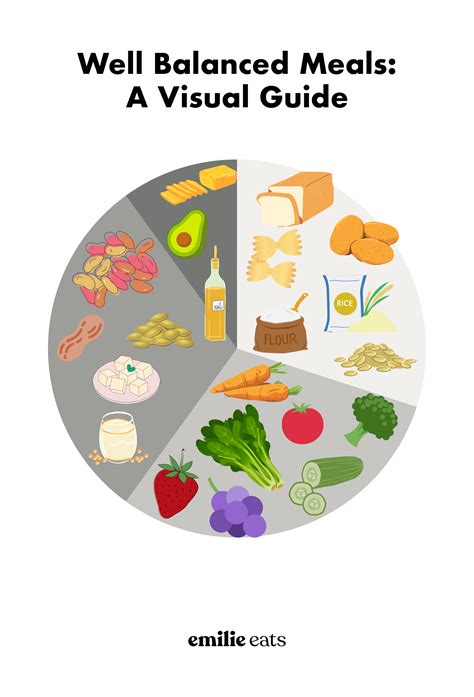
At the core of any effective fueling strategy are the three macronutrients: carbohydrates, proteins, and fats. Each plays a distinct yet interconnected role in supporting workout energy and recovery.
Carbohydrates: Your Primary Energy Source
Often misunderstood, carbohydrates are the body’s preferred and most efficient source of energy, especially during high-intensity exercise. They are broken down into glucose, which fuels muscle contractions and brain function. Without adequate carbohydrate intake, performance will suffer, and recovery can be compromised as the body may resort to breaking down muscle tissue for energy.
- Complex Carbs (Pre-Workout): Foods like oats, brown rice, whole-wheat bread, and sweet potatoes provide sustained energy release, ideal for fueling longer training sessions.
- Simple Carbs (Post-Workout/During): Fruits, sports drinks, or white rice can offer quicker energy replenishment, particularly beneficial for immediate post-workout recovery or during prolonged activities.

Protein: The Muscle Builder and Repairer
Protein is fundamental for muscle growth, repair, and recovery. During exercise, muscle fibers undergo microscopic damage, and protein provides the amino acids necessary to rebuild and strengthen them. Adequate protein intake is vital not only for muscle hypertrophy but also for preventing muscle loss, especially during periods of caloric deficit.
- Sources: Lean meats (chicken, beef, turkey), fish (salmon, tuna), eggs, dairy (Greek yogurt, cottage cheese), legumes, and protein supplements (whey, casein, plant-based).
- Timing: Distributing protein intake throughout the day, including before and especially after workouts, optimizes muscle protein synthesis.
Healthy Fats: Hormonal Balance and Sustained Energy
While not the primary fuel during intense exercise, healthy fats play a crucial role in overall health, hormone production (including testosterone), and the absorption of fat-soluble vitamins. They also provide a slower, more sustained energy source for longer, lower-intensity activities.
- Sources: Avocados, nuts, seeds, olive oil, fatty fish, and coconut oil.
- Timing: Generally best consumed away from immediate pre-workout windows due to slower digestion, but essential for daily nutritional intake.

The Strategic Timing of Fueling
When you eat can be almost as important as what you eat.
Pre-Workout Fuel: Powering Up
Consuming the right nutrients before a workout ensures your body has readily available energy. Aim for a meal 2-3 hours prior, rich in complex carbohydrates and moderate protein, with low fat and fiber to prevent digestive issues.
- Examples: Oatmeal with berries and a scoop of protein, chicken and rice, or a sweet potato with lean ground beef.
- Closer to Workout (30-60 min): A small, easily digestible snack like a banana, a piece of toast with jam, or a handful of pretzels can provide a quick energy boost.
During-Workout Fuel: Sustaining Performance
For most workouts lasting less than an hour, water is usually sufficient. For longer or extremely intense sessions (90+ minutes), replenishing electrolytes and quick carbohydrates can prevent fatigue and maintain performance.
- Options: Sports drinks, energy gels, or easily digestible fruits like dates.
Post-Workout Recovery: The Anabolic Window
The 30-60 minutes immediately following a workout are often referred to as the ‘anabolic window,’ a critical time for nutrient uptake to repair muscle damage and replenish glycogen stores. A combination of carbohydrates and protein is paramount.
- Carbohydrates: Replenish depleted glycogen stores (e.g., rice, potatoes, fruit).
- Protein: Provide amino acids for muscle repair and growth (e.g., chicken breast, whey protein shake, Greek yogurt).
- Examples: A chicken and veggie stir-fry with brown rice, a protein shake with a banana, or a tuna salad sandwich on whole-wheat bread.
Hydration: The Unsung Hero
Often overlooked, adequate hydration is fundamental for energy, performance, and recovery. Dehydration can severely impair physical and cognitive function, leading to premature fatigue and reduced strength. Drink water consistently throughout the day, and increase intake before, during, and after workouts.

The Best Fuel is Personalized Fuel
While general guidelines exist, the “best” fuel ultimately depends on individual factors such as body composition, activity type, intensity, duration, and personal preferences. Experiment with different foods and timings to discover what works best for your body. Monitoring your energy levels, performance, and recovery will provide valuable insights.
Conclusion
For men aiming to maximize their workout energy and recovery, a strategic approach to nutrition is paramount. Prioritizing complex carbohydrates for sustained energy, lean protein for muscle repair and growth, and healthy fats for overall bodily function, all while maintaining optimal hydration, forms the cornerstone of effective fueling. By understanding the roles of macronutrients and timing your meals effectively, you can unlock superior performance, accelerate recovery, and achieve your fitness goals more efficiently.