Why Ergonomics is Non-Negotiable for Your Home Office
As remote work becomes a permanent fixture for many, transforming your home office from a temporary setup into a highly functional, health-conscious space is paramount. Investing in ergonomic gear isn’t just a luxury; it’s a critical investment in your productivity, long-term health, and overall well-being. Poor posture, repetitive strain, and inadequate support can lead to chronic pain, reduced focus, and decreased efficiency. This guide will walk you through the essential ergonomic items that offer the best blend of productivity enhancement, health benefits, and enduring value.
1. The Cornerstone: An Ergonomic Office Chair
Your chair is arguably the most crucial piece of ergonomic equipment. A good ergonomic chair supports your body in its natural posture, reducing strain on your spine, neck, and shoulders. Look for chairs with comprehensive adjustability, including seat height, depth, armrest height and swivel, and robust lumbar support. High-quality materials and sturdy construction ensure longevity.
Key features to prioritize include:
- Lumbar Support: Adjustable to fit the curve of your lower back.
- Seat Depth: Allows you to sit with your back against the backrest and two to three fingers between the edge of the seat and the back of your knees.
- Armrests: Adjustable height and width to support your arms and shoulders without shrugging.
- Recline and Tilt: Mechanisms that allow for dynamic sitting, promoting movement throughout the day.

2. The Dynamic Duo: Standing Desk or Converter
Breaking the cycle of prolonged sitting is vital for health. A standing desk allows you to alternate between sitting and standing, improving circulation, reducing back pain, and boosting alertness. If a full standing desk isn’t feasible, a desk converter offers a more affordable way to achieve the same benefits, sitting atop your existing desk.
When choosing, consider:
- Height Range: Ensure it accommodates your height both sitting and standing.
- Stability: A wobbly desk is distracting and unusable.
- Electric vs. Manual: Electric desks offer seamless transitions, while manual options are more budget-friendly.
3. Perfecting Your View: Monitor Arms
Proper monitor placement prevents neck and eye strain. A monitor arm gives you the flexibility to position your screen at the ideal height and distance – typically with the top third of the screen at eye level and about an arm’s length away. This ensures your head and neck remain in a neutral, relaxed position.
Benefits of a good monitor arm:
- Adjustability: Easily adjust height, tilt, swivel, and depth.
- Space Saving: Frees up valuable desk space.
- Versatility: Accommodates single or multiple monitors.

4. Preventing Strain: Ergonomic Keyboard and Mouse
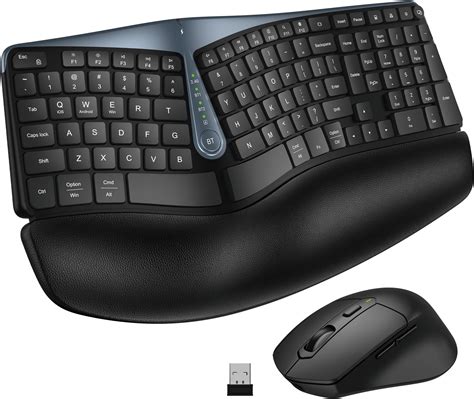
Your input devices are critical for preventing repetitive strain injuries (RSI) like carpal tunnel syndrome. An ergonomic keyboard and mouse promote a more natural hand and wrist position, reducing tension and discomfort over long periods of typing and clicking.
- Ergonomic Keyboards: Split designs, tented shapes, and negative tilt can keep wrists straight.
- Ergonomic Mice: Vertical mice, trackballs, or contoured designs reduce forearm pronation and wrist extension.
5. The Supportive Extras: Essential Accessories
While often overlooked, several accessories can significantly enhance your ergonomic setup:
- Footrest: If your feet don’t sit flat on the floor, a footrest helps maintain proper posture and reduces pressure on your legs.
- Anti-Fatigue Mat: For standing desk users, this can significantly reduce foot and leg fatigue.
- Proper Lighting: Good task lighting reduces eye strain and improves focus. Avoid glare on your screen.
- Cable Management: Keeps your workspace tidy and prevents tripping hazards, contributing to a less stressful environment.

Investing in Long-Term Value
When selecting ergonomic gear, view it as an investment in your physical health and professional longevity. While the initial outlay for quality ergonomic equipment might seem substantial, the long-term benefits far outweigh the costs of potential health issues, decreased productivity, and frequent replacements of cheaper, inferior products. Opt for brands known for their durability, adjustability, and excellent warranties. A well-designed ergonomic workspace will empower you to work more comfortably, efficiently, and healthily for years to come.
Conclusion: Your Healthiest, Most Productive Self
Building an ergonomic home office is a journey towards a healthier, more productive self. By carefully selecting gear that supports your body’s natural alignment and encourages movement, you’re not just buying office supplies – you’re investing in a sustainable way of working that prioritizes your well-being. Embrace these ergonomic principles, and transform your home office into a beacon of comfort, efficiency, and long-term value.