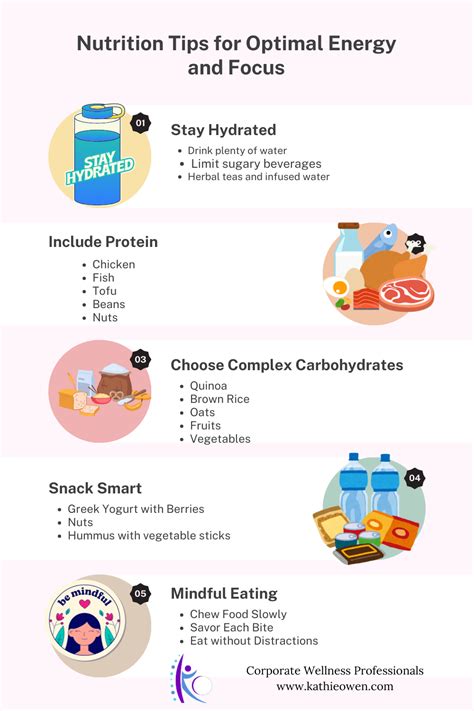
Feeling sluggish by midday or experiencing the dreaded afternoon slump? Many people ride an energy roller coaster, powered by quick fixes that ultimately lead to crashes. The key to consistent vitality lies not in stimulants, but in smart, sustained fueling of your body. Understanding how to nourish yourself properly can help you maintain peak performance, focus, and mood without the dramatic peaks and valleys.
The Cornerstone: Complex Carbohydrates for Steady Release
Carbohydrates are your body’s primary energy source, but not all carbs are created equal. Simple carbohydrates (like those found in sugary drinks, white bread, and pastries) provide a rapid burst of energy followed by an inevitable crash as your blood sugar spikes and then plummets. Complex carbohydrates, on the other hand, are digested slowly, releasing glucose into your bloodstream at a gradual, steady pace.
- Choose whole grains: Opt for oats, brown rice, quinoa, whole-wheat bread, and pasta.
- Load up on vegetables: Non-starchy vegetables like broccoli, spinach, and bell peppers are packed with complex carbs, fiber, and essential nutrients.
- Include legumes: Beans, lentils, and chickpeas offer a powerful combination of complex carbs and protein.
Protein and Healthy Fats: Your Allies Against Cravings and Crashes
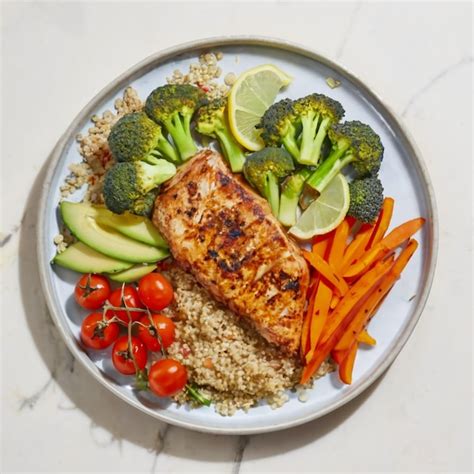
Pairing carbohydrates with lean protein and healthy fats is crucial for stabilizing blood sugar and extending satiety. Protein slows down the absorption of carbohydrates, preventing sharp blood sugar spikes, while healthy fats provide a concentrated source of long-lasting energy and essential nutrients.
- Lean protein sources: Chicken breast, turkey, fish, eggs, tofu, Greek yogurt, and lean beef.
- Healthy fats: Avocados, nuts (almonds, walnuts), seeds (chia, flax, hemp), olive oil, and fatty fish like salmon.
Strategic Meal Timing and Portion Control
Beyond what you eat, when and how much you eat plays a significant role in sustained energy. Skipping meals or eating large, infrequent meals can lead to energy dips and overeating later. Aim for smaller, more frequent meals and snacks throughout the day.
- Eat every 3-4 hours: This keeps your metabolism steady and prevents drastic blood sugar fluctuations.
- Balance your plate: Each meal should ideally contain a source of complex carbohydrates, lean protein, and healthy fats.
- Listen to your body’s hunger cues: Eat when you’re genuinely hungry and stop when you’re satisfied, not overly full.
Hydration and Micronutrients: Often Overlooked Energy Boosters
Dehydration is a common culprit for fatigue and reduced mental clarity. Even mild dehydration can significantly impact your energy levels. Similarly, a deficiency in key vitamins and minerals (micronutrients) can impair your body’s energy production processes.
- Drink plenty of water: Aim for at least 8 glasses of water daily, more if you’re active or in a hot climate.
- Include electrolyte-rich foods: Fruits and vegetables like bananas, spinach, and sweet potatoes contribute to hydration and electrolyte balance.
- Ensure micronutrient intake: A varied diet rich in colorful fruits, vegetables, nuts, and seeds will provide essential vitamins (B vitamins, Vitamin C) and minerals (iron, magnesium) vital for energy metabolism.
Avoiding the Energy Saboteurs
While focusing on what to include in your diet is important, understanding what to limit or avoid is equally critical for sustained energy.
- Processed sugars and refined grains: These lead to rapid blood sugar spikes and crashes.
- Excessive caffeine: While a morning coffee can be a boost, relying on high amounts throughout the day can disrupt sleep and lead to increased fatigue when its effects wear off.
- Heavy, fatty meals: These require more energy to digest, potentially diverting blood flow and causing post-meal sluggishness.

Listen to Your Body and Plan Ahead
Everyone’s body is unique. Pay attention to how different foods affect your energy levels and adjust your diet accordingly. Experiment with different combinations and timing to find what works best for you. Planning your meals and snacks in advance can also significantly help you stick to your energy-sustaining eating plan.
By consciously choosing nutrient-dense foods, balancing your macronutrients, timing your meals strategically, and staying hydrated, you can effectively fuel your body for sustained energy. Say goodbye to energy crashes and hello to a day filled with consistent vitality and focus.