Understanding the Premium Fuel Debate
For many car owners, the question of whether to splurge on premium fuel is a recurring one. Is it a marketing gimmick, or does paying extra for a higher octane rating truly deliver benefits for your car’s engine longevity and performance? The answer isn’t a simple yes or no; it depends heavily on your vehicle’s design and manufacturer recommendations.
What Exactly is Premium Fuel?
The primary difference between regular and premium fuel lies in their octane rating. Octane is a measure of a fuel’s resistance to pre-ignition or “engine knock.” Regular unleaded gasoline typically has an octane rating of 87, while premium fuels are usually 91 or higher. It’s crucial to understand that a higher octane rating does not mean more energy or power in the fuel; it simply indicates a greater resistance to premature combustion under compression.

Octane, Performance, and Engine Design
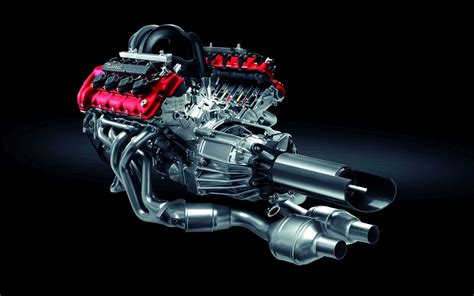
Modern engines, particularly those with high compression ratios, turbochargers, or superchargers, are designed to operate efficiently with higher octane fuel. These engines rely on precise ignition timing to maximize power and efficiency. If lower octane fuel is used in such an engine, sophisticated knock sensors detect the onset of pre-ignition and signal the engine’s computer to retard the ignition timing. This adjustment prevents damaging knock but also results in a reduction of power and, sometimes, fuel economy.
Conversely, if your car’s owner’s manual specifies regular 87-octane fuel, putting premium fuel in it will offer no performance advantage. The engine is not designed to take advantage of the higher octane and its computer will not adjust timing to compensate for non-existent knock, making the extra expense purely academic.

Does Premium Fuel Enhance Engine Longevity?
Many drivers believe premium fuel helps keep their engines cleaner or extends their lifespan. While premium fuels often contain higher concentrations of detergents and additives, *all* gasoline sold in the United States (and most developed countries) is legally required to meet minimum detergent standards set by agencies like the EPA or specific Top Tier Detergent Gasoline standards. These detergents are designed to prevent deposits from forming on fuel injectors and intake valves.
Therefore, while a higher concentration of detergents in premium fuel *might* offer a marginal benefit in very specific circumstances, it’s not a primary factor for engine longevity if your car is designed for regular fuel. Regular oil changes, filter replacements, and adherence to the manufacturer’s maintenance schedule are far more critical for your engine’s long-term health than the octane rating of your fuel.
The Myth of Improved Fuel Economy
Another common misconception is that premium fuel automatically leads to better fuel economy. For vehicles that require premium fuel, using regular gasoline might indeed lead to a slight decrease in mileage because the engine’s timing is retarded to prevent knock, leading to less efficient combustion. However, for vehicles designed for regular unleaded, there is no scientific evidence to support the claim that premium fuel improves miles per gallon. The energy content of different octane fuels is largely the same, and an engine not designed for higher octane cannot extract more energy from it.
When is Premium Fuel Worth It?
- Manufacturer Requirement: Always follow your owner’s manual. If it states “Premium Fuel ONLY,” using anything else can lead to reduced performance, decreased fuel economy, and potential long-term engine damage.
- Manufacturer Recommendation: If your manual says “Premium Fuel RECOMMENDED,” you might experience a marginal performance boost under certain demanding conditions (e.g., heavy towing, very hot weather, aggressive driving), but for typical daily commuting, the difference is often negligible.
- High-Performance/Turbocharged Vehicles: These engines are specifically tuned to leverage the higher octane for maximum power and efficiency, making premium fuel essential.

Conclusion: Consult Your Owner’s Manual
For the vast majority of drivers with vehicles designed for regular unleaded gasoline, opting for premium fuel is an unnecessary expense that provides no measurable benefits in terms of performance, longevity, or fuel economy. Your car’s engine is engineered to perform optimally on the fuel specified by its manufacturer. The best course of action is always to consult your car’s owner’s manual. Save your money for regular, timely maintenance – that’s where you’ll find the real return on investment for your car’s health and lifespan.